Hey there! As a supplier of large Al alloy castings, I've seen firsthand the amazing advantages these components bring to lightweight design. In this blog post, I'm gonna break down why using large Al alloy castings is a game - changer in the world of lightweight engineering.
1. Low Density and High Strength
One of the most obvious perks of large Al alloy castings is their low density. Aluminum has a density of about 2.7 g/cm³, which is roughly one - third of the density of steel. This means that when you use large Al alloy castings in your design, you can significantly reduce the overall weight of the structure.
For instance, in the automotive industry, where every pound matters for fuel efficiency, large Al alloy castings can be used for engine blocks, transmission cases, and suspension components. By replacing traditional steel parts with aluminum alloy ones, car manufacturers can make vehicles lighter, which in turn improves acceleration, handling, and fuel economy.
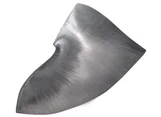
But here's the cool part: despite its low density, aluminum alloy can have high strength. With the right alloying elements and heat - treatment processes, High Strength Al Alloy Casting can achieve mechanical properties that are comparable to some steels. For example, some high - strength aluminum alloys can have a tensile strength of over 500 MPa. This combination of low weight and high strength makes large Al alloy castings ideal for applications where both weight reduction and structural integrity are crucial.
2. Excellent Corrosion Resistance
Aluminum has a natural ability to form a thin, protective oxide layer on its surface when exposed to air. This oxide layer acts as a barrier, preventing further oxidation and corrosion. In large Al alloy castings, this property is a huge advantage, especially in harsh environments.
Take the marine industry, for example. Ships and offshore structures are constantly exposed to saltwater, which is extremely corrosive. Using large Al alloy castings for components like hull fittings, deck hardware, and engine parts can significantly extend their service life compared to traditional materials. The reduced need for maintenance and replacement due to corrosion not only saves money but also reduces downtime.
In addition, the corrosion resistance of aluminum alloys can be further enhanced through surface treatments such as anodizing. Anodizing creates a thicker and more durable oxide layer, which can provide even better protection against corrosion and wear.
3. Good Castability
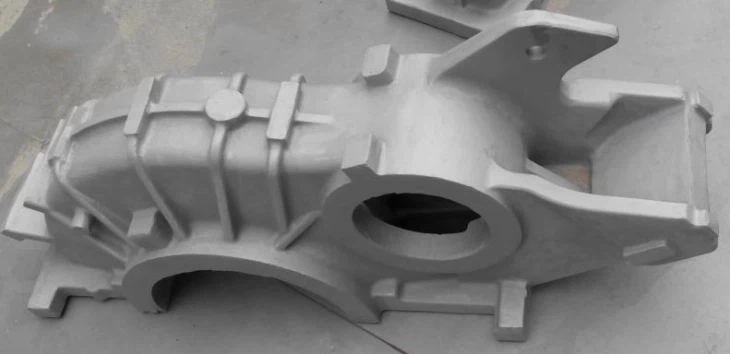
Large Al alloy castings offer excellent castability, which means they can be easily formed into complex shapes. The low melting point of aluminum alloys (usually around 600 - 700°C) allows for efficient casting processes. Whether it's sand casting, die casting, or investment casting, aluminum alloys can flow easily into the mold cavities, filling even the most intricate details.
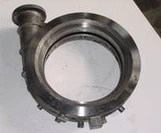
This is a big deal in industries like aerospace, where components often have complex geometries. For example, Upper Casing Aluminum Alloy Casting used in aircraft engines need to have precise shapes to ensure proper airflow and performance. With the good castability of aluminum alloys, these complex parts can be produced accurately and cost - effectively.
Moreover, the ability to cast large and complex parts in one piece reduces the need for assembly of multiple smaller components. This not only simplifies the manufacturing process but also reduces the number of potential weak points in the structure, improving overall reliability.
4. Thermal Conductivity
Aluminum alloys have excellent thermal conductivity, which is another major advantage in lightweight design. In applications where heat dissipation is important, such as electronic devices and automotive engines, large Al alloy castings can effectively transfer heat away from critical components.
In electronic devices, for example, heat generated by the CPU and other components can cause performance degradation and even damage if not properly dissipated. Using large Al alloy castings as heat sinks can quickly transfer the heat to the surrounding environment, keeping the device cool and ensuring its stable operation.
In automotive engines, the high thermal conductivity of aluminum alloy cylinder heads helps in efficient heat transfer from the combustion chambers. This allows for better control of engine temperature, which can improve fuel efficiency and reduce emissions.
5. Recyclability
In today's world, sustainability is a top priority. Aluminum is one of the most recyclable materials on the planet. Recycling aluminum requires only about 5% of the energy needed to produce new aluminum from bauxite ore.
As a supplier of large Al alloy castings, I'm proud to be part of an industry that promotes sustainability. When a product reaches the end of its life cycle, the large Al alloy castings can be easily recycled and used to make new components. This not only reduces the demand for virgin materials but also helps in reducing waste and environmental impact.

6. Cost - Effectiveness
When considering the overall cost of a project, large Al alloy castings can be a cost - effective choice. Although the raw material cost of aluminum may be higher than some other materials in some cases, the savings in other areas can offset this.
The weight reduction achieved by using large Al alloy castings can lead to lower transportation costs, especially in industries where large and heavy components are involved. Also, as mentioned earlier, the excellent corrosion resistance and durability of aluminum alloys reduce maintenance and replacement costs over the life of the product.
In addition, the good castability of aluminum alloys means that complex parts can be produced in a single casting operation, eliminating the need for multiple machining and assembly steps. This can save both time and money in the manufacturing process.
Time to Talk Business!
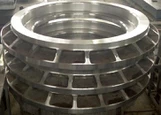
If you're in the market for large Al alloy castings for your lightweight design projects, I'd love to have a chat with you. Whether you're in the automotive, aerospace, marine, or any other industry, our team of experts can work with you to find the best solutions for your specific needs. We have a wide range of Alluminum Alloy Casting products, and we're committed to providing high - quality components at competitive prices.
Don't hesitate to reach out and start a conversation about your requirements. Let's work together to take your lightweight design to the next level!
References
- ASM Handbook Committee. (2008). ASM Handbook Volume 15: Casting. ASM International.
- Davis, J. R. (Ed.). (2001). Aluminum and Aluminum Alloys. ASM International.
- Kalpakjian, S., & Schmid, S. R. (2010). Manufacturing Engineering and Technology. Pearson.