Hey there! As a supplier in the superalloy casting industry, I've seen my fair share of challenges when it comes to preventing defects in superalloy casting. Superalloys are amazing materials, known for their high strength, excellent corrosion resistance, and ability to withstand extreme temperatures. But casting them isn't a walk in the park. In this blog, I'll share some tips on how to prevent those pesky defects.
Understanding Superalloy Casting
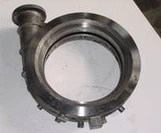
First off, let's talk a bit about superalloy casting. Superalloys are typically made up of nickel, cobalt, or iron, along with other alloying elements. These materials are used in a wide range of applications, from aerospace components to Super Alloy Casting Pump Body and more. The casting process involves melting the superalloy and pouring it into a mold to create the desired shape.


Common Defects in Superalloy Casting
Before we dive into prevention methods, it's important to know what kind of defects we're dealing with. Some of the most common defects in superalloy casting include:
- Porosity: This is one of the most frequent issues. Porosity occurs when gas bubbles get trapped in the casting during the solidification process. It can weaken the casting and reduce its overall performance.
- Shrinkage: As the superalloy cools and solidifies, it shrinks. If the shrinkage isn't properly managed, it can lead to voids and cracks in the casting.
- Inclusions: These are foreign particles that get mixed into the molten superalloy. Inclusions can be anything from dirt and oxides to other metals. They can cause stress concentrations and reduce the mechanical properties of the casting.
- Cracks: Cracks can form during the casting process due to thermal stresses, improper gating, or other factors. Cracks can severely compromise the integrity of the casting.
Preventing Porosity
Let's start with porosity. To prevent gas bubbles from getting trapped in the casting, we need to pay attention to a few key factors.
- Melting and Pouring: Make sure the melting process is carried out in a clean and controlled environment. Any contaminants in the melting furnace can introduce gases into the molten superalloy. Also, pay close attention to the pouring temperature and speed. Pouring too slowly can allow gases to accumulate, while pouring too quickly can cause turbulence and trap more gas.
- Degassing: Degassing the molten superalloy is an effective way to remove dissolved gases. There are several methods for degassing, such as using vacuum degassing or adding degassing agents. Vacuum degassing is particularly effective as it creates a low-pressure environment that allows the gases to escape from the molten metal.
- Mold Design: The design of the mold can also affect porosity. Make sure the mold has proper venting to allow gases to escape during the pouring process. Also, consider using a mold material that has good gas permeability.
Managing Shrinkage
To prevent shrinkage defects, we need to understand how the superalloy shrinks during solidification and design the casting process accordingly.
- Riser Design: Risers are reservoirs of molten metal that are connected to the casting. As the casting cools and shrinks, the riser supplies additional molten metal to fill the voids. A well-designed riser system is crucial for controlling shrinkage. The size, shape, and location of the risers need to be carefully calculated based on the geometry of the casting and the properties of the superalloy.
- Chill Placement: Chills are metal blocks or inserts that are placed in the mold to speed up the cooling rate in certain areas. By using chills strategically, we can control the solidification sequence and reduce the risk of shrinkage. For example, placing chills near thick sections of the casting can help those areas solidify faster and prevent shrinkage voids.
- Thermal Management: Monitoring and controlling the cooling rate of the casting is essential. Too rapid cooling can cause thermal stresses and lead to cracks, while too slow cooling can result in excessive shrinkage. Use appropriate insulation and cooling methods to ensure a uniform and controlled cooling process.
Avoiding Inclusions
Inclusions can be a real headache, but there are ways to minimize their occurrence.
- Raw Material Quality: Start with high-quality raw materials. Make sure the superalloy ingredients are clean and free from contaminants. Conduct thorough inspections of the raw materials before using them in the melting process.
- Melting and Refining: During the melting process, use proper refining techniques to remove impurities. This can include using fluxes to react with and remove oxides and other non-metallic inclusions. Also, make sure the melting furnace is clean and well-maintained to prevent any additional contaminants from getting into the molten superalloy.
- Filtration: Installing filters in the gating system can help remove inclusions as the molten superalloy flows into the mold. Filters can be made of various materials, such as ceramic or metal, and are designed to trap particles of a certain size.
Preventing Cracks
Cracks can be catastrophic for a casting, so it's important to take steps to prevent them.
- Gating Design: The gating system is responsible for delivering the molten superalloy to the mold cavity. A poorly designed gating system can cause uneven filling and thermal stresses, which can lead to cracks. Make sure the gating system is designed to provide a smooth and uniform flow of molten metal.
- Thermal Stress Management: As the casting cools, thermal stresses can build up. To reduce these stresses, use proper insulation and cooling methods. You can also use heat treatment after the casting is solidified to relieve any residual stresses.
- Mold Design and Pattern Design: The design of the mold and pattern can also affect the formation of cracks. Make sure there are no sharp corners or sudden changes in cross-section in the mold or pattern. Sharp corners can cause stress concentrations and increase the likelihood of cracking.
Quality Control
In addition to taking preventive measures during the casting process, quality control is also crucial.
- Inspection: Regularly inspect the castings using non-destructive testing methods such as X-ray, ultrasonic testing, or dye penetrant testing. These methods can detect internal defects like porosity, inclusions, and cracks that may not be visible to the naked eye.
- Testing: Perform mechanical testing on the castings to ensure they meet the required specifications. This can include tensile testing, hardness testing, and impact testing.
Conclusion
Preventing defects in superalloy casting is a complex but achievable goal. By understanding the common defects and taking appropriate preventive measures, we can produce high-quality superalloy castings. At our company, we're committed to providing top-notch Super Alloy Casting products. If you're in the market for superalloy castings and want to discuss your requirements, feel free to reach out. We'd love to work with you and help you get the best casting solutions for your needs.
References
- Campbell, J. (2003). Castings. Butterworth-Heinemann.
- Flemings, M. C. (1974). Solidification Processing. McGraw-Hill.
- Kalpakjian, S., & Schmid, S. R. (2014). Manufacturing Engineering and Technology. Pearson.