Hey there! As a supplier of aluminum alloy casting, I've been knee - deep in the world of casting for quite some time. One topic that always comes up is the requirements for the gating system in aluminum alloy casting. So, let's dive right in and break it down.
1. Filling Ability
First off, the gating system has to ensure proper filling of the mold cavity. Aluminum alloys have unique fluidity characteristics. When the molten aluminum alloy is poured, it needs to flow smoothly through the gating channels and into every nook and cranny of the mold. If the gating design is poor, it can lead to incomplete filling, which results in defective castings.
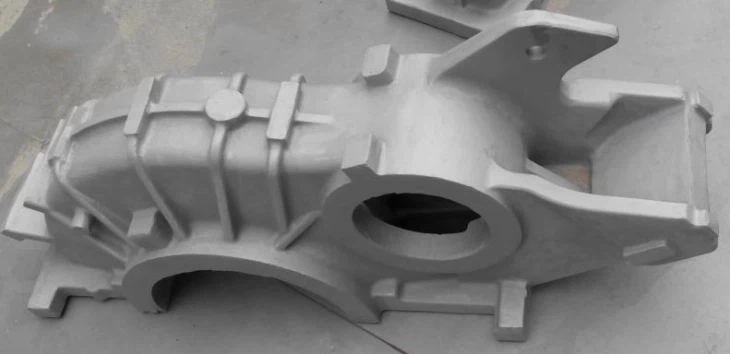
For example, in Large Al Alloy Casting, the size of the casting means that the molten metal has to travel a longer distance. The gating system here needs to be designed in such a way that it can maintain the fluidity of the alloy over this long path. A well - designed runner system can help with this. The cross - sectional area of the runner, for instance, should be carefully calculated. If it's too small, the metal might solidify before reaching all parts of the mold. On the other hand, if it's too large, it can cause excessive turbulence, which we'll talk about later.
2. Turbulence Control
Turbulence is the enemy when it comes to aluminum alloy casting. When the molten metal flows turbulently through the gating system, it can trap air and oxides. These air bubbles and oxides can end up in the final casting, weakening its structure and reducing its mechanical properties.
To control turbulence, we often use sprue designs that gradually reduce the velocity of the molten metal. A tapered sprue, for example, can slow down the metal as it enters the runner system. Also, the use of filters in the gating system can help. These filters act like a sieve, removing any large particles and also calming the flow of the molten metal. In High Strength Al Alloy Casting, where the quality of the casting is of utmost importance, strict turbulence control is a must. High - strength alloys are more sensitive to defects, and even a small air bubble or oxide inclusion can significantly reduce the strength of the final product.
3. Temperature Control
Temperature plays a crucial role in aluminum alloy casting. The gating system should be designed to minimize heat loss from the molten metal. If the metal cools down too quickly, it can solidify prematurely in the gating channels, leading to incomplete filling of the mold.
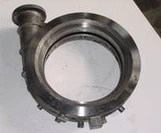
One way to control temperature is by using insulating materials in the gating system. For example, silica - based refractory materials can be used to line the runners and sprues. These materials have low thermal conductivity, which helps to keep the molten metal hot for a longer time. In the case of Upper Casing Aluminum Alloy Casting, where the casting has a complex shape and might require a longer filling time, maintaining the right temperature in the gating system is essential. A proper temperature ensures that the metal remains in a fluid state long enough to fill all the details of the upper casing mold.
4. Cleanliness
The gating system needs to be clean. Any contaminants in the gating channels can end up in the final casting, causing defects. Before each casting operation, the gating system should be thoroughly cleaned to remove any residual metal, oxides, or other debris.
We can use mechanical cleaning methods, like sandblasting, to remove the stubborn deposits from the gating channels. Chemical cleaning can also be used in some cases, but it has to be carefully controlled to avoid any damage to the gating system. In high - precision aluminum alloy casting, cleanliness is non - negotiable. Even a tiny particle of dirt can ruin the quality of the casting, especially in applications where the casting has to meet strict quality standards.
5. Venting
Proper venting is another important requirement for the gating system. As the molten metal fills the mold cavity, it displaces the air inside. If this air has no way to escape, it can get trapped in the casting, creating porosity.
The gating system should be designed with vents that allow the air to escape smoothly. These vents can be in the form of small channels or holes in the mold. In some cases, we can also use porous materials in the gating system to help with venting. For example, a porous filter can not only control turbulence but also allow the air to pass through. This is particularly important in complex - shaped castings where air can get trapped in hard - to - reach areas.
6. Cost - effectiveness
Last but not least, the gating system should be cost - effective. As a supplier, we always look for ways to reduce the cost of production without compromising on the quality of the castings.
We can optimize the design of the gating system to reduce the amount of excess metal used. For example, by using a well - designed runner and riser system, we can minimize the amount of metal that is wasted in the gating process. Also, the choice of materials for the gating system matters. We should select materials that are not only suitable for the casting process but also affordable.
In conclusion, the requirements for the gating system in aluminum alloy casting are multi - faceted. From filling ability and turbulence control to temperature management, cleanliness, venting, and cost - effectiveness, every aspect needs to be carefully considered. As a supplier, we strive to meet these requirements to provide high - quality aluminum alloy castings to our customers.
If you're in the market for aluminum alloy castings and want to discuss your specific needs, we'd love to have a chat. Whether it's Large Al Alloy Casting, High Strength Al Alloy Casting, or Upper Casing Aluminum Alloy Casting, we've got the expertise and the know - how to deliver the best solutions for you.

References
- Campbell, J. (2003). Castings. Butterworth - Heinemann.
- Davis, J. R. (2008). Aluminum and Aluminum Alloys. ASM International.