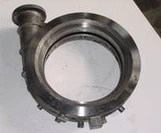
Hey there! As a supplier of Al Alloy Upper Casings, I often get asked about the oxidation resistance of these components. So, let's dive right into it and explore what oxidation resistance means for Al Alloy Upper Casings.
First off, oxidation is basically a chemical reaction where a material reacts with oxygen in the air. For aluminum alloys, this can lead to the formation of an oxide layer on the surface. Now, the cool thing about aluminum is that it forms a thin, protective oxide layer naturally when it comes into contact with air. This layer acts as a barrier, preventing further oxygen from reaching the underlying metal and slowing down the oxidation process.
But not all aluminum alloys are created equal when it comes to oxidation resistance. The oxidation resistance of an Al Alloy Upper Casing depends on several factors, including the alloy composition, the manufacturing process, and the surface treatment.
Alloy Composition
The type and amount of alloying elements added to aluminum can have a significant impact on its oxidation resistance. For example, magnesium (Mg) is a common alloying element in aluminum alloys. When magnesium is present in the alloy, it can react with oxygen to form magnesium oxide (MgO), which can enhance the protective properties of the oxide layer.
Silicon (Si) is another element often added to aluminum alloys. Silicon can improve the fluidity of the molten alloy during casting, which is great for manufacturing complex shapes like upper casings. It also helps to increase the hardness and wear resistance of the alloy. However, too much silicon can reduce the oxidation resistance of the alloy, so it's all about finding the right balance.
Copper (Cu) is sometimes added to aluminum alloys to increase their strength. But copper can also make the alloy more susceptible to corrosion and oxidation, especially in environments with high humidity or saltwater. So, when choosing an alloy for an Al Alloy Upper Casing, it's important to consider the specific requirements of the application and select an alloy with the right combination of properties.
Manufacturing Process
The way the Al Alloy Upper Casing is manufactured can also affect its oxidation resistance. For example, Low Pressure Al Alloy Casting is a popular manufacturing method for aluminum alloy components. This process involves injecting molten aluminum alloy into a mold under low pressure. The low pressure helps to ensure that the alloy fills the mold evenly and reduces the formation of porosity, which can weaken the component and make it more prone to oxidation.
Another important aspect of the manufacturing process is heat treatment. Heat treatment can be used to improve the mechanical properties of the alloy, such as its strength and hardness. It can also help to enhance the oxidation resistance of the alloy by promoting the formation of a more stable and protective oxide layer.
Surface Treatment
Surface treatment is a crucial step in improving the oxidation resistance of Al Alloy Upper Casings. There are several different surface treatment methods available, each with its own advantages and disadvantages.
Anodizing is one of the most common surface treatment methods for aluminum alloys. Anodizing involves creating an oxide layer on the surface of the aluminum alloy through an electrochemical process. The anodized layer is thicker and more porous than the natural oxide layer, which allows it to absorb dyes and other substances for coloring or further protection. Anodizing can significantly improve the oxidation resistance of the alloy and also enhance its appearance.
Painting or coating the surface of the Al Alloy Upper Casing is another option. A good quality paint or coating can provide a physical barrier between the alloy and the environment, preventing oxygen and moisture from reaching the metal surface. There are many different types of paints and coatings available, each designed for specific applications and environments.
Benefits of Good Oxidation Resistance
Having good oxidation resistance is essential for Al Alloy Upper Casings, especially in applications where the component is exposed to harsh environments. Here are some of the key benefits of good oxidation resistance:
- Longevity: Components with good oxidation resistance are less likely to corrode or degrade over time, which means they will have a longer service life. This can save you money in the long run by reducing the need for frequent replacements.
- Reliability: Oxidation can weaken the structure of the alloy, which can lead to component failure. By ensuring good oxidation resistance, you can improve the reliability of the Al Alloy Upper Casing and reduce the risk of unexpected breakdowns.
- Appearance: Oxidation can cause the surface of the alloy to become dull and discolored, which can affect the appearance of the component. Good oxidation resistance helps to maintain the aesthetic appeal of the Al Alloy Upper Casing, making it look good for longer.
Real - World Applications
Al Alloy Upper Casings with good oxidation resistance are used in a wide range of applications. In the automotive industry, they are used in engine components, such as valve covers and intake manifolds. These components are exposed to high temperatures, oil, and other chemicals, so good oxidation resistance is essential to ensure their performance and durability.
In the aerospace industry, Al Alloy Upper Casings are used in aircraft engines and other critical components. The harsh environmental conditions in aerospace applications, including high altitudes, extreme temperatures, and exposure to moisture and chemicals, require components with excellent oxidation resistance.
Conclusion
So, there you have it! The oxidation resistance of an Al Alloy Upper Casing is determined by a combination of factors, including alloy composition, manufacturing process, and surface treatment. As a supplier, we take all these factors into account to ensure that our Al Alloy Upper Casings have the best possible oxidation resistance for your specific applications.


If you're in the market for high - quality Al Alloy Upper Casings with excellent oxidation resistance, we'd love to hear from you. Whether you need Al Alloy Rings or High Strength Al Alloy Casting, we've got you covered. Contact us today to start a conversation about your requirements and let's work together to find the perfect solution for your project.
References
- Davis, J. R. (Ed.). (2001). Aluminum and Aluminum Alloys. ASM International.
- Totten, G. E., & MacKenzie, D. S. (Eds.). (2003). Handbook of Aluminum: Physical Metallurgy and Processes. CRC Press.
- ASM Handbook Committee. (1994). ASM Handbook, Volume 5: Surface Engineering. ASM International.