Unlocking an airplane door is a critical process that requires a high - level of precision, safety, and compliance with strict aviation regulations. As a seasoned supplier in the airplane door industry, I am well - versed in every aspect of this procedure, from the design and manufacturing of door components to the actual unlocking mechanism. In this blog, I'll take you through the detailed process of unlocking an airplane door and explain how our products play a vital role in this crucial operation.
The Design and Manufacturing of Airplane Door Components
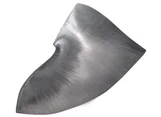
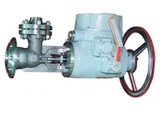
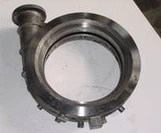
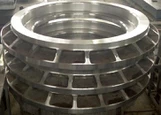
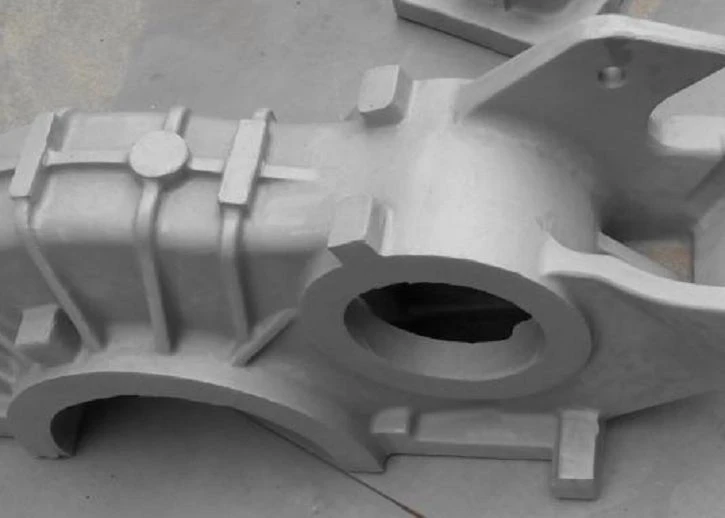
Before we delve into the unlocking process, it's essential to understand the key components that make up an airplane door. At our company, we specialize in providing high - quality parts such as Al Alloy Castings, Al Alloy Ring, and Al Alloy Upper Casing. These components are carefully designed and manufactured to meet the rigorous standards of the aviation industry.
Aluminum alloy is a popular choice for airplane door components due to its excellent strength - to - weight ratio. The Al Alloy Castings are used to create complex shapes and structures that are essential for the door's functionality. They provide the necessary structural integrity while keeping the overall weight of the door down.
The Al Alloy Ring is another critical component. It is typically used in the sealing mechanism of the door. The ring needs to be precisely engineered to ensure an airtight and watertight seal, which is crucial for maintaining cabin pressure during flight and protecting the aircraft from the elements.
The Al Alloy Upper Casing houses many of the internal components of the door, such as the locking mechanism and the control systems. It is designed to protect these components from damage and interference, ensuring the door operates smoothly and safely.
Pre - flight Checks
Before an airplane can take off, a series of pre - flight checks are conducted on all doors. These checks are designed to ensure that the doors are properly locked and functioning correctly. Ground crew members will visually inspect the doors for any signs of damage or wear. They will also test the locking mechanisms to make sure they engage and disengage smoothly.
The locking mechanisms on airplane doors are typically multi - point systems. This means that there are multiple locking points around the perimeter of the door to ensure a secure seal. These locking points are controlled by a central locking system, which can be operated manually or electronically.
During the pre - flight checks, the ground crew will use a special tool to test the locking mechanism. They will verify that each locking point engages firmly and that the door cannot be opened from the outside without the proper authorization.
In - flight Safety
Once the airplane is in flight, the doors are locked to prevent accidental opening. The cabin pressure also acts as an additional safety measure. The pressure difference between the inside and outside of the cabin makes it virtually impossible to open the door during flight.
Most modern airplanes are equipped with a pressure - sensitive locking system. This system is designed to prevent the door from being unlocked when there is a significant pressure differential. The system uses sensors to detect the pressure difference and will only allow the door to be unlocked when the pressure is equalized.
In addition to the pressure - sensitive locking system, there are also electronic and mechanical interlocks in place. These interlocks prevent the door from being opened unless all the necessary safety conditions are met. For example, the door cannot be opened if the airplane is in motion or if the cabin pressure is not equalized.
Unlocking on the Ground
When the airplane lands and comes to a complete stop, the process of unlocking the doors can begin. The first step is to equalize the pressure between the inside and outside of the cabin. This is typically done automatically as the airplane descends and the cabin pressure is gradually reduced to match the outside pressure.
Once the pressure is equalized, the flight crew can initiate the unlocking process. In most cases, this is done using an electronic control panel located in the cockpit. The flight crew will enter a code or use a key to unlock the central locking system.
After the central locking system is unlocked, the individual locking points around the perimeter of the door are released. The ground crew may then assist in opening the door, especially for larger aircraft. They will use a special handle or lever to manually open the door and ensure that it swings open smoothly.
Emergency Situations
In the event of an emergency, such as a crash landing or a fire on board, the process of unlocking the airplane doors is different. Most airplanes are equipped with emergency exits that can be opened manually from the inside. These exits are designed to be easily accessible and can be opened quickly to allow passengers and crew to evacuate the aircraft.
The emergency exit doors are typically equipped with a break - glass panel. In an emergency, a passenger or crew member can break the glass panel to access the emergency unlocking mechanism. This mechanism is designed to override the normal locking system and allow the door to be opened immediately.
It's important to note that the emergency unlocking mechanism is only to be used in life - threatening situations. Misuse of the emergency unlocking mechanism can result in serious injury or death.

Our Role as a Supplier
As an airplane door supplier, our role is to provide high - quality components that ensure the safety and reliability of the unlocking process. We work closely with aircraft manufacturers to design and develop components that meet their specific requirements.
Our Al Alloy Castings, Al Alloy Ring, and Al Alloy Upper Casing are all manufactured to the highest standards. We use advanced manufacturing techniques and quality control processes to ensure that each component meets or exceeds the industry's strict safety requirements.
We also provide technical support and after - sales service to our customers. Our team of experts is available to assist with any questions or issues related to our products. Whether it's troubleshooting a locking mechanism or providing advice on component maintenance, we are committed to ensuring the safe and efficient operation of airplane doors.
Contact Us for Procurement
If you are in the market for high - quality airplane door components, we invite you to contact us for procurement and further discussions. Our team of experts is ready to assist you in finding the right products for your needs. We can provide detailed product information, pricing, and delivery schedules. Whether you are an aircraft manufacturer, a maintenance provider, or a distributor, we are confident that we can meet your requirements.
References
- Federal Aviation Administration (FAA). "Advisory Circular AC 20 - 135: Aircraft Door Safety."
- International Civil Aviation Organization (ICAO). "Manual of Aircraft Cabin Safety."
- Society of Automotive Engineers (SAE). "Aerospace Standards for Aircraft Door Components."