Hey there, folks! I'm a supplier of Al Alloy Upper Casings, and I've been in this game for quite a while. Over the years, I've learned a thing or two about how to improve the performance of these casings. In this blog post, I'm gonna share some tips and tricks that can help you get the most out of your Al Alloy Upper Casings.
First off, let's talk about the material itself. Aluminum alloys are known for their lightweight, high strength, and good corrosion resistance. But not all aluminum alloys are created equal. When it comes to upper casings, you want to choose an alloy that has the right balance of strength, ductility, and machinability.
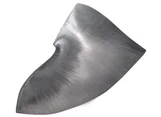
One option is to go for Large Al Alloy Casting. These castings are made using advanced casting techniques that ensure a uniform microstructure and excellent mechanical properties. They can be customized to meet your specific requirements, whether you need a large, complex casing or a small, precision part.
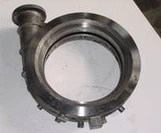
Another great choice is High Strength Al Alloy Casting. These castings are designed to withstand high stresses and loads, making them ideal for applications where performance is critical. They offer superior strength-to-weight ratios, which can help reduce the overall weight of your product without sacrificing performance.


Now, let's move on to the manufacturing process. The way you manufacture your Al Alloy Upper Casing can have a big impact on its performance. One of the most important steps is the heat treatment process. Heat treatment can improve the strength, hardness, and ductility of the alloy, as well as its resistance to corrosion and wear.
There are several different heat treatment methods available, including annealing, quenching, and tempering. The choice of method depends on the specific alloy and the desired properties of the casing. For example, annealing is often used to soften the alloy and improve its machinability, while quenching and tempering can be used to increase its strength and hardness.
In addition to heat treatment, the machining process also plays a crucial role in the performance of the casing. Machining can affect the surface finish, dimensional accuracy, and tolerance of the part. To ensure the best possible performance, it's important to use high-quality machining equipment and techniques.
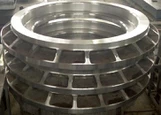
One way to improve the machining process is to use Al Alloy Ring as a reference or support during machining. These rings can help reduce vibration and improve the stability of the part, resulting in a better surface finish and more accurate dimensions.
Another important factor to consider is the design of the casing. A well-designed casing can improve the performance of the product by reducing weight, improving airflow, and enhancing the overall aesthetics. When designing your Al Alloy Upper Casing, it's important to consider the following factors:
- Functionality: The casing should be designed to meet the specific requirements of the product. It should provide adequate protection for the internal components and allow for easy access for maintenance and repair.
- Strength and stiffness: The casing should be strong enough to withstand the stresses and loads that it will be subjected to during use. It should also be stiff enough to prevent deformation and ensure the proper alignment of the internal components.
- Weight: The casing should be as lightweight as possible without sacrificing strength and stiffness. This can help reduce the overall weight of the product and improve its fuel efficiency or battery life.
- Airflow: The casing should be designed to allow for proper airflow to cool the internal components. This can help prevent overheating and improve the performance and reliability of the product.
- Aesthetics: The casing should be designed to enhance the overall aesthetics of the product. It should be visually appealing and complement the design of the other components.
Finally, let's talk about quality control. Quality control is essential to ensure the performance and reliability of your Al Alloy Upper Casings. You should have a comprehensive quality control system in place to monitor the manufacturing process from start to finish.
This system should include inspections at every stage of the process, from raw material inspection to final product inspection. You should also use non-destructive testing methods, such as ultrasonic testing and X-ray inspection, to detect any internal defects or flaws in the casing.
By following these tips and tricks, you can improve the performance of your Al Alloy Upper Casings and ensure that they meet the highest standards of quality and reliability. If you're interested in learning more about our Al Alloy Upper Casings or have any questions, please don't hesitate to contact us. We'd be happy to discuss your specific requirements and help you find the best solution for your needs.
Let's work together to take your product to the next level!
References
- ASM Handbook Committee. (2008). ASM Handbook Volume 15: Casting. ASM International.
- Davis, J. R. (2001). Aluminum and Aluminum Alloys. ASM International.
- Kalpakjian, S., & Schmid, S. R. (2010). Manufacturing Engineering and Technology. Pearson Prentice Hall.