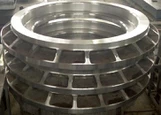
In the dynamic and challenging landscape of the oil and gas industries, the choice of materials for critical components is a decision that can significantly impact operational efficiency, safety, and cost-effectiveness. One such component is the impeller, a key part in pumps used for fluid transfer, compression, and circulation. As a supplier of Ti Alloy Impellers, I am often asked whether these impellers can be effectively used in oil and gas applications. In this blog post, I will delve into the properties of titanium alloy, evaluate its suitability for oil and gas environments, and explore the potential benefits and considerations of using Ti Alloy Impellers in these industries.
Understanding Titanium Alloy
Titanium alloy is a remarkable material known for its exceptional combination of strength, light weight, and corrosion resistance. It is an alloy primarily composed of titanium, with small amounts of other elements such as aluminum, vanadium, and molybdenum added to enhance its properties. These alloys offer high strength-to-weight ratios, making them ideal for applications where weight reduction is crucial without compromising on performance.
One of the most significant advantages of titanium alloy is its outstanding corrosion resistance. It forms a thin, protective oxide layer on its surface when exposed to oxygen, which prevents further corrosion and degradation. This property makes it highly resistant to a wide range of corrosive environments, including seawater, acids, and alkalis. Additionally, titanium alloy has excellent fatigue resistance, which means it can withstand repeated stress and cyclic loading without failing.
Suitability for Oil and Gas Industries
The oil and gas industries present a harsh and demanding operating environment. Components are exposed to extreme temperatures, high pressures, corrosive fluids, and abrasive particles. Therefore, materials used in these industries must be able to withstand these conditions to ensure reliable and long-lasting performance.
Corrosion Resistance
In oil and gas production, corrosive substances such as hydrogen sulfide (H₂S), carbon dioxide (CO₂), and chloride ions are commonly present in the fluids. These substances can cause severe corrosion to metal components, leading to equipment failure and costly downtime. Titanium alloy's excellent corrosion resistance makes it an attractive option for impellers in these environments. It can resist the attack of H₂S and CO₂, which are major causes of corrosion in oil and gas pipelines and equipment. For example, in offshore oil and gas platforms, where seawater is often used for cooling and injection purposes, titanium alloy impellers can prevent corrosion and extend the service life of pumps.
High Strength and Light Weight
Oil and gas operations often require pumps to handle large volumes of fluids at high pressures. Impellers need to have sufficient strength to withstand the mechanical stresses generated during operation. Titanium alloy's high strength-to-weight ratio allows for the design of impellers that are both strong and lightweight. This not only reduces the overall weight of the pump but also improves its energy efficiency. A lighter impeller requires less power to rotate, resulting in lower energy consumption and operating costs.
Fatigue Resistance
Pumps in the oil and gas industries operate continuously for long periods, subjecting the impellers to cyclic loading. Fatigue failure can occur when the impeller is repeatedly stressed beyond its fatigue limit. Titanium alloy's excellent fatigue resistance enables it to withstand these cyclic loads without cracking or failing, ensuring the reliability and safety of the pump.
Applications in Oil and Gas Industries
Ti Alloy Impellers can be used in a variety of applications within the oil and gas industries.
Oil Production
In oil production, pumps are used to transfer crude oil from the wellhead to storage tanks or processing facilities. Ti Alloy Impellers can be used in these pumps to improve their performance and reliability. They can handle the high viscosity and abrasive nature of crude oil, as well as the corrosive substances present in it.
Gas Processing
In gas processing plants, pumps are used for gas compression, dehydration, and sweetening. Ti Alloy Impellers can be employed in these pumps to enhance their efficiency and durability. They can resist the corrosion caused by acidic gases such as H₂S and CO₂, which are common in natural gas.
Offshore Operations
Offshore oil and gas platforms face unique challenges due to the harsh marine environment. Seawater is highly corrosive, and the equipment is exposed to salt spray, high winds, and waves. Ti Alloy Impellers are well-suited for use in offshore pumps, as they can withstand the corrosive effects of seawater and provide reliable performance in these challenging conditions.
Complementary Products
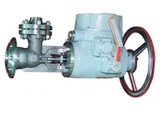
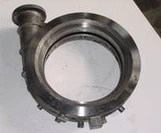
In addition to Ti Alloy Impellers, our company also offers a range of complementary products for the oil and gas industries. These include Ti Alloy Valve, Ti Alloy Pump Casing, and Ti Alloy Aerospace Investment Castings. These products are made from high-quality titanium alloy and are designed to meet the specific requirements of the oil and gas industries.
Considerations
While Ti Alloy Impellers offer many advantages for the oil and gas industries, there are also some considerations to keep in mind.


Cost
Titanium alloy is generally more expensive than other common metals such as steel and aluminum. The higher cost of titanium alloy can be a deterrent for some companies, especially those on a tight budget. However, it is important to consider the long-term benefits of using Ti Alloy Impellers, such as reduced maintenance costs, longer service life, and improved energy efficiency. In many cases, the initial investment in titanium alloy impellers can be offset by the savings in operating costs over the life of the equipment.
Machinability
Titanium alloy is a difficult material to machine due to its high strength and low thermal conductivity. Machining titanium alloy requires specialized tools and techniques, which can increase the manufacturing cost and lead time. However, with advances in machining technology, these challenges can be overcome, and the cost of machining titanium alloy has been gradually decreasing.
Conclusion
In conclusion, Ti Alloy Impellers have great potential for use in the oil and gas industries. Their excellent corrosion resistance, high strength-to-weight ratio, and fatigue resistance make them suitable for the harsh and demanding operating conditions in these industries. They can improve the performance, reliability, and energy efficiency of pumps, while reducing maintenance costs and downtime. Although there are some considerations such as cost and machinability, the long-term benefits of using Ti Alloy Impellers often outweigh the initial investment.
If you are interested in learning more about our Ti Alloy Impellers or other titanium alloy products for the oil and gas industries, please feel free to contact us for a consultation. We are committed to providing high-quality products and excellent customer service to meet your specific needs.
References
- ASM Handbook Volume 2: Properties and Selection: Nonferrous Alloys and Special-Purpose Materials.
- Titanium: A Technical Guide, Second Edition by James C. Williams.
- Corrosion in the Oil and Gas Industry by Pierre R. Roberge.