Are there any safety precautions when using a stainless steel blade?
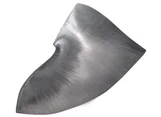
Hey there! As a supplier of Stainless Steel Blade, I get asked this question a lot. And let me tell you, safety should always be your top priority when working with these blades. So, let's dive into some important safety precautions you should take.
First off, proper handling is crucial. Stainless steel blades are sharp, no doubt about it. When you pick up a blade, always use a firm grip. Avoid holding it by the edge, even if it seems dull in some spots. A small slip can lead to a nasty cut. Instead, hold it by the handle or the back part of the blade where it's safe.
Wearing the right protective gear is a must. This includes gloves. Choose gloves that are cut-resistant. They're designed to withstand the sharpness of the blade and protect your hands from potential cuts. Safety glasses are also important. When you're working with a stainless steel blade, there's a chance of small metal shavings or debris flying off. These can irritate or even damage your eyes. So, always wear safety glasses to keep your peepers safe.
Now, let's talk about storage. When you're not using the blade, don't just throw it anywhere. Store it in a proper sheath or a blade case. This not only protects the blade from getting dull or damaged but also prevents accidental cuts. If you're keeping multiple blades, make sure they're separated. You don't want them rubbing against each other, which can cause them to dull or even break.
Another important safety precaution is to keep the work area clean. A cluttered workspace can lead to accidents. Make sure there are no loose items, wires, or other obstacles around the area where you're using the blade. This will help you avoid tripping or knocking things over, which could cause the blade to slip or fall.
When using a stainless steel blade, it's also important to use the right tool for the job. Different blades are designed for different purposes. For example, if you're cutting through thick metal, you'll need a blade with a certain thickness and tooth configuration. Using the wrong blade can not only make the job more difficult but also increase the risk of accidents. So, always make sure you're using the appropriate blade for the task at hand.
Maintenance is also key to safety. Keep your stainless steel blade clean and sharp. A dull blade requires more force to cut, which can increase the risk of slipping and causing an injury. You can use a blade sharpener to keep the edge in good condition. Also, regularly inspect the blade for any signs of damage, such as cracks or chips. If you notice any problems, replace the blade immediately.
It's important to follow the manufacturer's instructions. These instructions are there for a reason. They provide specific guidelines on how to use, maintain, and store the blade safely. Make sure you read and understand them before using the blade.


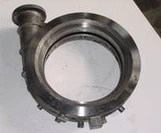
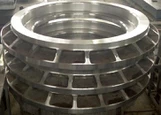
Now, I want to mention two other important products related to stainless steel and casting. We also offer Stainless Steel Francis Runner, which is a high-quality component used in various industrial applications. And if you're interested in the casting process, we have Electro-slag Remelting Casting, a state-of-the-art method that ensures the production of high-quality steel products.
If you're in the market for stainless steel blades or any of our other products, don't hesitate to reach out. We're here to help you find the right solutions for your needs. Whether you're a professional in the industry or a DIY enthusiast, we've got you covered.
In conclusion, using a stainless steel blade safely requires attention to detail and following some simple precautions. By handling the blade properly, wearing the right protective gear, storing it correctly, keeping your workspace clean, using the right tool for the job, maintaining the blade, and following the manufacturer's instructions, you can greatly reduce the risk of accidents. And if you have any questions or need further advice, feel free to contact us.
References
- Common industry safety guidelines for metalworking tools
- Manufacturer's manuals for stainless steel blades.