Hey there! As a supplier of Copper Alloy Casting, I often get asked about the thermal conductivity of copper alloy casting. So, I thought I'd write this blog to share some insights on this topic.
First off, let's understand what thermal conductivity is. In simple terms, thermal conductivity is the ability of a material to conduct heat. It's measured in watts per meter-kelvin (W/(m·K)). A high thermal conductivity means the material can transfer heat quickly, while a low one means it's a poor heat conductor.
Now, copper is well - known for its excellent thermal conductivity. Pure copper has a thermal conductivity of around 401 W/(m·K) at room temperature. That's why it's used in so many heat - related applications, like heat exchangers and electrical wiring. But when we talk about copper alloy casting, things get a bit more complicated.
Copper alloys are made by adding other elements to copper. These elements can include zinc, tin, aluminum, nickel, and many others. Each element added to copper changes its properties, including thermal conductivity. For example, brass is a copper - zinc alloy. The thermal conductivity of brass can vary widely depending on the zinc content. Generally, as the zinc content increases, the thermal conductivity of brass decreases. Common brass alloys have thermal conductivities in the range of 109 - 125 W/(m·K).
Another popular copper alloy is bronze, which is mainly a copper - tin alloy. Similar to brass, the thermal conductivity of bronze also depends on the tin content. Typically, bronze has a thermal conductivity in the range of 50 - 100 W/(m·K). The addition of tin creates a more complex crystal structure in the alloy, which restricts the movement of heat - carrying electrons, thus reducing the thermal conductivity compared to pure copper.
Why does the thermal conductivity of copper alloy casting matter? Well, it's crucial in a lot of industries. In the automotive industry, copper alloy castings with good thermal conductivity are used in engine cooling systems. They help transfer heat away from the engine, preventing overheating and ensuring the engine runs smoothly.
In the electrical industry, copper alloy castings are used in electrical connectors and switches. High thermal conductivity is essential here because it helps dissipate the heat generated during electrical current flow. If the heat isn't dissipated properly, it can lead to increased resistance, energy loss, and even damage to the electrical components.
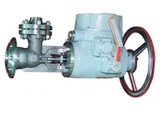
As a supplier of Copper Alloy Casting, we offer a wide range of products with different thermal conductivities to meet various customer needs. For instance, our Cu Alloy Valve Body is made from carefully selected copper alloys. The valve body needs to withstand high temperatures and also transfer heat effectively. Our engineers have optimized the alloy composition to ensure it has the right balance of strength, corrosion resistance, and thermal conductivity.
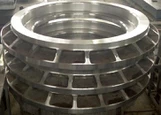
Another product we're proud of is the Cu Alloy Sleeve by Centrifugal Casting. Centrifugal casting is a process that gives the alloy a uniform structure, which can enhance its thermal conductivity. These sleeves are often used in applications where heat transfer is critical, like in some industrial machinery.
When choosing a copper alloy casting, it's important to consider the specific thermal conductivity requirements of your application. If you need high - speed heat transfer, you might want an alloy with a higher copper content and fewer alloying elements. But if other properties like strength or corrosion resistance are more important, you may have to compromise a bit on the thermal conductivity.
We understand that every customer's needs are unique. That's why we work closely with our clients to understand their applications and recommend the most suitable copper alloy castings. Our team of experts can analyze your requirements, suggest the right alloy composition, and ensure that the final product meets your expectations.
If you're in the market for copper alloy castings and have questions about thermal conductivity or any other properties, don't hesitate to reach out. Whether you're an engineer designing a new product or a procurement manager looking for reliable suppliers, we're here to help. We can provide samples for testing, offer technical support, and work with you to find the best solutions for your projects.
In conclusion, the thermal conductivity of copper alloy casting is a complex but important property. It's influenced by the alloying elements, the manufacturing process, and other factors. As a supplier, we're committed to providing high - quality copper alloy castings that meet the diverse needs of our customers in terms of thermal conductivity and other performance criteria. So, if you're interested in our products or want to discuss your specific requirements, just get in touch, and let's start a great partnership.


References
- "Materials Science and Engineering: An Introduction" by William D. Callister Jr. and David G. Rethwisch
- "ASM Handbook Volume 2: Properties and Selection: Nonferrous Alloys and Special - Purpose Materials" by ASM International