Yo, aviation enthusiasts! As a supplier of Airplane Door, I've seen firsthand how crucial airplane doors are in preventing cabin depressurization. In this blog, I'm gonna break down the role of these doors and why they're so important for our safety up in the skies.
Let's start with the basics. Cabin depressurization is a serious issue that can happen when there's a sudden loss of pressure in the aircraft's cabin. At high altitudes, the air outside the plane is extremely thin and has low pressure. Inside the cabin, we maintain a comfortable pressure similar to what we'd experience at a lower altitude on the ground. If there's a breach in the cabin's integrity, like a faulty door seal or a structural failure, the high - pressure air inside the cabin will rush out to the low - pressure area outside. This can lead to a whole bunch of problems, from discomfort for passengers and crew to life - threatening situations.
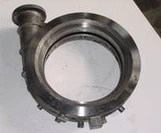
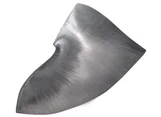
So, what's the deal with airplane doors and how do they help prevent this? Well, first off, airplane doors are designed to be super strong and airtight. They're made from high - quality materials like Alluminum Alloy Casting. Aluminum alloys are great because they're lightweight but also have high strength. This is important for airplanes as every bit of weight matters when it comes to fuel efficiency and performance.
The manufacturing process of these doors is also top - notch. A lot of airplane doors are made using Low Pressure Al Alloy Casting. This process allows for precise shaping of the door components and ensures that there are no weak spots or porosity in the material. A door with a perfect structure is essential for maintaining the airtight seal that keeps the cabin pressurized.
When it comes to the actual design of the door, it's not just a simple slab of metal. Airplane doors have multiple layers and seals. The primary seal is usually made of a special rubber or elastomer material. This seal is what actually keeps the air inside the cabin from leaking out. It has to be flexible enough to conform to the door frame and create a tight fit, but also durable enough to withstand the constant pressure changes and environmental conditions.
The door also has a locking mechanism that's designed to be extremely reliable. These locks are engineered to hold the door firmly in place, even under the intense pressure differentials between the inside and outside of the cabin. There are usually multiple locking points around the perimeter of the door to distribute the load evenly. This way, the door doesn't buckle or deform under pressure, which could lead to a loss of the airtight seal.
Another important aspect is the testing and maintenance of airplane doors. Before a door is installed on an aircraft, it goes through a series of rigorous tests. These tests simulate different flight conditions, including high - altitude pressure differentials, temperature changes, and even vibration. Only when a door passes all these tests is it considered safe for use.


Once the door is in service, regular maintenance is a must. Airlines have strict maintenance schedules for all their aircraft components, including the doors. Maintenance crews check the seals for wear and tear, the locking mechanisms for proper functioning, and the overall structural integrity of the door. If any issues are detected, they're fixed immediately to ensure that the door continues to do its job of preventing cabin depressurization.
Now, let's talk about what happens in case of an emergency. Airplane doors are also designed to be able to handle emergency situations. For example, if there's a sudden depressurization event, the doors are built to stay closed and prevent any further loss of pressure. In some cases, they're even designed to be able to withstand a certain amount of explosive decompression. This means that if there's a rapid and violent loss of pressure, the door won't just blow off, which could cause even more chaos and danger.
In addition to their role in preventing depressurization, airplane doors also play a part in the overall safety of the aircraft during takeoff, landing, and ground operations. They need to be able to open and close smoothly and safely. The design allows for easy access for passengers and crew during boarding and disembarking, but also has safety features to prevent accidental opening during flight.
So, as you can see, airplane doors are a vital part of an aircraft's safety system. They're not just there to let people in and out; they're key to keeping us safe and comfortable during our flights. If you're in the aviation industry and are looking for high - quality airplane doors, we're here to help. We've got a wide range of options that are designed to meet the strictest safety and performance standards. Whether you're an airline looking to upgrade your fleet or an aircraft manufacturer in need of reliable components, we can provide you with the best airplane doors on the market. Reach out to us to start a conversation about your specific needs and how we can assist you in your procurement process.
References
- Aircraft Maintenance Manuals from major airlines
- Aerospace Engineering textbooks on aircraft structures and safety systems
- Technical reports from aircraft door manufacturers