Fatigue resistance is a critical property in the performance and durability of materials, especially for components subjected to cyclic loading. As a leading supplier of Al Alloy Castings, we understand the significance of fatigue resistance in aluminum alloy castings. In this blog post, we will explore what fatigue resistance is, why it matters in aluminum alloy castings, and how we ensure high - quality fatigue - resistant products.
What is Fatigue Resistance?
Fatigue resistance refers to a material's ability to withstand repeated loading and unloading cycles without failing. When a material is under cyclic stress, microscopic cracks can initiate and propagate over time. Eventually, these cracks can grow large enough to cause the material to fracture. Fatigue resistance is measured by the number of cycles a material can endure before failure under a given stress level, which is often presented in an S - N curve (stress - number of cycles curve).
In the case of aluminum alloy castings, fatigue resistance is influenced by several factors. First, the chemical composition of the aluminum alloy plays a crucial role. Different alloying elements can enhance the strength, ductility, and hardness of the alloy, which in turn affects its fatigue performance. For example, copper can increase the strength of aluminum alloys, while magnesium can improve their corrosion resistance and also contribute to better fatigue properties.
The microstructure of the casting is another important factor. A fine - grained microstructure generally provides better fatigue resistance compared to a coarse - grained one. Fine grains can impede the growth of cracks, as the crack has to change direction more frequently when it encounters grain boundaries. Additionally, the presence of defects such as porosity, inclusions, and shrinkage cavities can significantly reduce the fatigue resistance of aluminum alloy castings. These defects act as stress concentrators, where the stress is much higher than the average stress in the material, making it easier for cracks to initiate.
Why Fatigue Resistance Matters in Aluminum Alloy Castings
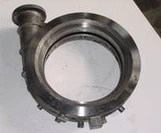
Aluminum alloy castings are widely used in various industries, including automotive, aerospace, and machinery. In these applications, components are often subjected to cyclic loading. For instance, in the automotive industry, engine components such as Upper Casing Aluminum Alloy Casting are exposed to repeated thermal and mechanical stresses during the engine's operation. If the casting has poor fatigue resistance, it may fail prematurely, leading to costly repairs and potential safety hazards.
In the aerospace industry, weight reduction is a top priority. Aluminum alloy castings are favored due to their low density, but they must also have high fatigue resistance to ensure the safety and reliability of aircraft components. Components like landing gear parts and wing structures are subjected to cyclic loads during take - off, flight, and landing. A failure in these components could have catastrophic consequences.
In the machinery industry, aluminum alloy castings are used in various moving parts. These parts experience cyclic loading from the operation of the machinery. Good fatigue resistance is essential to ensure the long - term performance and durability of the machinery, reducing downtime and maintenance costs.
How We Ensure Fatigue Resistance in Our Aluminum Alloy Castings
As a professional supplier of aluminum alloy castings, we have a comprehensive quality control system to ensure the high fatigue resistance of our products.
Material Selection
We carefully select the appropriate aluminum alloys based on the specific requirements of the application. We work closely with our customers to understand their needs, including the expected stress levels, environmental conditions, and performance requirements. By choosing the right alloy with the optimal combination of alloying elements, we can enhance the fatigue resistance of the castings.
Casting Process Optimization
We use advanced casting technologies such as Low Pressure Al Alloy Casting. Low - pressure casting can produce castings with a more uniform microstructure and fewer defects. In this process, molten aluminum is forced into the mold cavity under low pressure, which helps to fill the mold more evenly and reduces the formation of porosity and shrinkage cavities.
We also pay close attention to the pouring temperature, pouring speed, and mold design. By controlling these parameters precisely, we can ensure that the castings have a fine - grained microstructure and good mechanical properties.
Heat Treatment
Heat treatment is an important step in improving the fatigue resistance of aluminum alloy castings. We use appropriate heat treatment processes such as solution treatment, quenching, and aging. Solution treatment dissolves the alloying elements in the aluminum matrix, and quenching rapidly cools the casting to form a supersaturated solid solution. Aging then precipitates fine particles in the matrix, which can strengthen the alloy and improve its fatigue properties.
Quality Inspection
We conduct rigorous quality inspections on our aluminum alloy castings. Non - destructive testing methods such as ultrasonic testing, X - ray testing, and magnetic particle testing are used to detect internal defects in the castings. We also perform mechanical testing, including tensile testing, hardness testing, and fatigue testing. By ensuring that our castings meet the strict quality standards, we can guarantee their high fatigue resistance.
Case Studies
Let's take a look at some real - world examples of how our fatigue - resistant aluminum alloy castings have been successfully applied.
In the automotive industry, we supplied Upper Casing Aluminum Alloy Casting for a leading automobile manufacturer. The casting was designed to withstand the high - frequency cyclic stresses generated by the engine. Through our optimized casting process and heat treatment, the casting showed excellent fatigue resistance in the actual application. The customer reported a significant reduction in the failure rate of the engine components, which led to improved product reliability and reduced maintenance costs.
In the aerospace industry, we provided aluminum alloy castings for a small aircraft's wing structure. These castings were required to have high fatigue resistance to ensure the safety of the aircraft during flight. Our castings passed all the strict fatigue tests and were well - received by the customer. The use of our fatigue - resistant castings contributed to the overall performance and safety of the aircraft.
Conclusion
Fatigue resistance is a vital property for aluminum alloy castings, especially in applications where components are subjected to cyclic loading. As a professional supplier of Al Alloy Castings, we are committed to providing high - quality products with excellent fatigue resistance. Through material selection, process optimization, heat treatment, and strict quality control, we ensure that our castings meet the highest standards.
If you are in need of high - quality aluminum alloy castings with excellent fatigue resistance, we would be delighted to work with you. We have the expertise and experience to provide you with customized solutions that meet your specific requirements. Contact us today to start a discussion about your project and explore how our products can benefit your business.


References
- ASM Handbook Committee, "ASM Handbook Volume 7: Powder Metal Technologies and Applications", ASM International, 2006.
- Dieter, G. E., "Mechanical Metallurgy", McGraw - Hill Education, 1986.
- Kalpakjian, S., and Schmid, S. R., "Manufacturing Engineering and Technology", Pearson, 2013.