

What are the fluidity characteristics of Al alloys during casting?
As a leading supplier of Al Alloy Casting, I've had the privilege of delving deep into the intricate world of aluminum alloy casting. One of the most critical aspects that significantly impacts the quality and success of the casting process is the fluidity of aluminum alloys. In this blog, I'll share insights into the fluidity characteristics of Al alloys during casting, exploring the factors that influence it and its implications for the final product.
Fluidity refers to the ability of a molten metal to flow and fill a mold cavity completely and uniformly. In the context of aluminum alloy casting, good fluidity is essential for producing high - quality castings with complex shapes, thin walls, and fine details. Poor fluidity can lead to defects such as incomplete filling, cold shuts, and porosity, which can compromise the mechanical properties and functionality of the cast part.
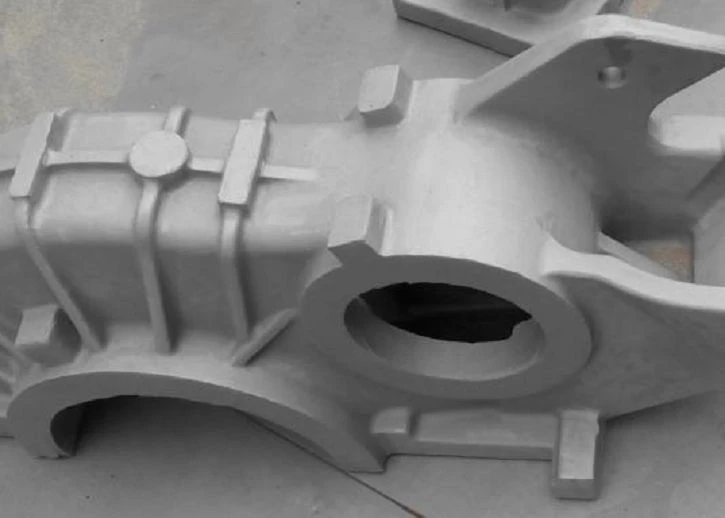

Factors Affecting the Fluidity of Al Alloys
Alloy Composition
The composition of an aluminum alloy plays a crucial role in determining its fluidity. Different alloying elements have varying effects on the melting point, viscosity, and surface tension of the molten metal, all of which influence fluidity. For example, silicon is a common alloying element in aluminum alloys. It has a relatively low melting point and can form a eutectic with aluminum, which lowers the overall melting point of the alloy and improves fluidity. Alloys with higher silicon content, such as A356 (7% Si) and A380 (8.5 - 11.5% Si), generally exhibit better fluidity compared to alloys with lower silicon content.
On the other hand, elements like magnesium can increase the viscosity of the molten alloy, reducing its fluidity. However, magnesium also enhances the mechanical properties of the alloy, so a balance must be struck between fluidity and other desired properties when selecting an alloy composition.
Temperature
Temperature is another critical factor affecting the fluidity of Al alloys. As the temperature of the molten metal increases, its viscosity decreases, and its fluidity improves. This is because higher temperatures provide more energy to the atoms in the molten metal, allowing them to move more freely and flow more easily. In practice, the pouring temperature of the aluminum alloy is carefully controlled to ensure optimal fluidity. However, excessive temperatures can also lead to other problems, such as increased oxidation, gas porosity, and grain growth, which can degrade the quality of the casting.
For example, when casting Al Alloy Upper Casing, the pouring temperature needs to be adjusted according to the complexity of the part's shape, the thickness of the walls, and the alloy composition. A higher pouring temperature may be required for parts with thin walls or complex geometries to ensure complete filling of the mold cavity.
Mold Design and Material
The design and material of the mold can also have a significant impact on the fluidity of Al alloys during casting. A well - designed mold with smooth internal surfaces, proper gating and riser systems, and adequate venting can facilitate the flow of the molten metal and improve fluidity. The gating system, which includes the sprue, runners, and gates, should be designed to direct the molten metal into the mold cavity in a controlled and uniform manner, minimizing turbulence and reducing the risk of air entrapment.
The mold material also affects fluidity. Different mold materials have different thermal conductivities, which can influence the cooling rate of the molten metal. A mold with high thermal conductivity, such as a metal mold, will cool the molten metal more rapidly, reducing its fluidity. In contrast, a mold with low thermal conductivity, such as a sand mold, allows the molten metal to maintain its temperature for a longer time, improving fluidity.
Implications of Fluidity Characteristics for Casting Quality
The fluidity characteristics of Al alloys have direct implications for the quality of the castings. Good fluidity ensures that the molten metal can fill the mold cavity completely, resulting in castings with accurate dimensions and smooth surfaces. It also reduces the likelihood of defects such as incomplete filling, cold shuts, and porosity, which can improve the mechanical properties and reliability of the cast part.
For instance, in the production of Al Alloy Ring, the fluidity of the alloy determines whether the ring can be cast with a uniform thickness and without any internal defects. If the fluidity is poor, the ring may have thin spots or voids, which can weaken the structure and reduce its performance.
On the other hand, if the fluidity is too high, it can lead to problems such as excessive metal flow, flash formation, and erosion of the mold walls. Therefore, it is essential to optimize the fluidity of the Al alloy to achieve the best casting quality.
Controlling Fluidity in Aluminum Alloy Casting
To control the fluidity of Al alloys during casting, several strategies can be employed. Firstly, the alloy composition should be carefully selected based on the requirements of the casting. As mentioned earlier, alloys with high silicon content generally have better fluidity, but other factors such as mechanical properties, corrosion resistance, and cost also need to be considered.
Secondly, the pouring temperature should be precisely controlled. This requires accurate temperature measurement and monitoring systems to ensure that the molten metal is poured at the optimal temperature. Pre - heating the mold can also help to maintain the temperature of the molten metal and improve fluidity.
Thirdly, the mold design should be optimized to facilitate the flow of the molten metal. This includes designing an appropriate gating and riser system, ensuring smooth internal surfaces of the mold, and providing adequate venting to allow the escape of air and gases.
Finally, the use of additives or modifiers can sometimes be beneficial in improving the fluidity of Al alloys. For example, certain fluxes can be added to the molten metal to reduce surface tension and improve its wetting ability, thereby enhancing fluidity.
Conclusion
In conclusion, the fluidity characteristics of Al alloys during casting are influenced by a variety of factors, including alloy composition, temperature, mold design, and material. Understanding these factors and their effects on fluidity is crucial for producing high - quality aluminum alloy castings. As a Al Alloy Casting supplier, we are committed to leveraging our expertise in these areas to provide our customers with the best possible casting solutions.
If you are in the market for high - quality aluminum alloy castings, whether it's Al Alloy Upper Casing or Al Alloy Ring, we invite you to contact us for a detailed discussion about your specific requirements. Our team of experts is ready to assist you in selecting the right alloy, optimizing the casting process, and ensuring the highest quality of your cast parts.
References
- Campbell, J. (2003). Castings. Butterworth - Heinemann.
- Davis, J. R. (ed.). (2008). Aluminum and Aluminum Alloys. ASM International.
- Flemings, M. C. (1974). Solidification Processing. McGraw - Hill.


