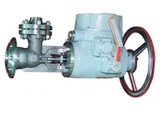
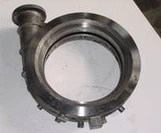
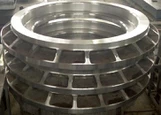
Titanium alloy impellers are crucial components in various industries, including aerospace, automotive, and marine. As a supplier of Ti alloy impellers, I've witnessed firsthand their increasing demand due to their high strength-to-weight ratio, excellent corrosion resistance, and remarkable heat resistance. However, it's essential to understand the environmental impacts associated with their manufacturing process.
Raw Material Extraction
The first step in manufacturing Ti alloy impellers is extracting titanium from its ore, typically ilmenite or rutile. Titanium ore mining can have significant environmental consequences. Open-pit mining, which is commonly used for titanium extraction, involves the removal of large amounts of topsoil and vegetation. This leads to deforestation and habitat destruction, disrupting local ecosystems and threatening wildlife populations.
Moreover, the extraction process requires substantial amounts of water and energy. Water is used for dust suppression, ore washing, and processing, which can lead to water pollution if not properly managed. The energy-intensive nature of titanium extraction, often relying on fossil fuels, contributes to greenhouse gas emissions and exacerbates climate change.
Alloy Production
Once the titanium ore is extracted, it is processed into titanium sponge through the Kroll process. This process involves reacting titanium tetrachloride with magnesium at high temperatures. The Kroll process is not only energy-intensive but also generates significant amounts of waste, including magnesium chloride and other by-products. These waste materials can be hazardous to the environment if not disposed of properly.
After obtaining the titanium sponge, it is alloyed with other elements, such as aluminum, vanadium, or molybdenum, to achieve the desired properties for the impellers. The alloying process also requires energy and can produce emissions of pollutants, such as volatile organic compounds (VOCs) and heavy metals.
Casting and Machining
Casting is a critical step in manufacturing Ti alloy impellers. There are several casting methods available, each with its own environmental implications. For more information on the casting of titanium alloys, you can visit Casting Of Titanium Alloys. Investment casting, for example, involves creating a wax pattern of the impeller, coating it with a ceramic shell, and then melting the wax to leave a cavity for the molten titanium alloy. This process generates waste materials, such as used wax and ceramic shells, which need to be managed appropriately.
Machining is another important process in shaping the impellers to the required specifications. Machining operations, such as turning, milling, and drilling, generate metal chips and dust. These waste materials can be recycled, but the machining process also consumes energy and may use cutting fluids, which can contain harmful chemicals.
Surface Treatment
Surface treatment is often applied to Ti alloy impellers to improve their corrosion resistance and wear properties. Common surface treatment methods include anodizing, plating, and coating. These processes can involve the use of chemicals, such as acids, bases, and solvents, which can be hazardous to the environment and human health if not handled properly.
Anodizing, for example, involves immersing the impellers in an electrolyte solution and applying an electric current to form a protective oxide layer on the surface. This process requires energy and generates wastewater containing chemicals that need to be treated before discharge.
Waste Management and Recycling
Proper waste management is crucial in minimizing the environmental impact of Ti alloy impeller manufacturing. Recycling plays a significant role in reducing the consumption of raw materials and energy. Metal chips and scrap generated during the machining process can be recycled back into the production cycle. Additionally, some of the waste materials from the casting and surface treatment processes, such as used wax and ceramic shells, can also be recycled or reused.
However, recycling titanium alloys can be challenging due to their complex composition and the need for specialized recycling facilities. Despite these challenges, efforts are being made to improve the recycling rate of titanium alloys and reduce the overall environmental footprint of the manufacturing process.
Energy Efficiency and Renewable Energy
Energy consumption is a major contributor to the environmental impact of Ti alloy impeller manufacturing. Implementing energy-efficient technologies and processes can significantly reduce energy consumption and greenhouse gas emissions. For example, using advanced melting furnaces with high energy efficiency and optimizing the casting and machining processes to reduce cycle times can help save energy.
In addition to energy efficiency measures, the use of renewable energy sources, such as solar, wind, and hydroelectric power, can further reduce the carbon footprint of the manufacturing process. As a supplier, we are committed to exploring and implementing renewable energy solutions in our operations to minimize our environmental impact.
Mitigation Strategies
To address the environmental impacts of manufacturing Ti alloy impellers, several mitigation strategies can be implemented. First, improving the efficiency of the manufacturing processes can reduce energy consumption and waste generation. This can be achieved through process optimization, the use of advanced technologies, and employee training.
Second, implementing strict environmental management systems can ensure compliance with environmental regulations and promote sustainable practices. This includes proper waste management, pollution prevention, and monitoring of environmental performance.


Third, collaborating with suppliers and customers to promote the use of recycled materials and sustainable products can also have a positive impact on the environment. By working together, we can create a more circular economy and reduce the demand for virgin raw materials.
Conclusion
As a supplier of Ti alloy impellers, I am well aware of the environmental impacts associated with their manufacturing process. While titanium alloy impellers offer many advantages in terms of performance and durability, it is our responsibility to minimize the negative environmental effects of their production.
By implementing energy-efficient technologies, proper waste management, and recycling programs, we can reduce the consumption of raw materials and energy, and minimize the generation of waste and pollutants. Additionally, the use of renewable energy sources and the adoption of sustainable practices can further contribute to a more environmentally friendly manufacturing process.
If you are interested in purchasing high-quality Ti alloy impellers and are concerned about the environmental impact of the manufacturing process, please feel free to contact us for more information. We are committed to providing sustainable solutions and working with you to meet your specific needs. Whether you are looking for Ti Alloy Valve or Ti Alloy Turbine Impeller, we have the expertise and experience to deliver the products you require.
References
- ASM Handbook Committee. (2000). ASM Handbook Volume 2: Properties and Selection: Nonferrous Alloys and Special-Purpose Materials. ASM International.
- Clyne, T. W., & Withers, P. J. (1993). An Introduction to Metal Matrix Composites. Cambridge University Press.
- Davis, J. R. (1994). Titanium: A Technical Guide. ASM International.