As a provider of casting equipment, I understand the critical role that well - trained operators play in the success of any casting operation. Properly trained operators not only ensure the efficient and safe use of our casting equipment but also contribute to the production of high - quality castings. In this blog, I will share some effective strategies on how to train operators for casting equipment.
Understanding the Basics of Casting Equipment
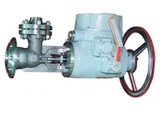
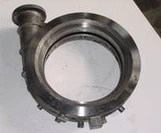
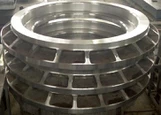
Before diving into training, it is essential for operators to have a solid understanding of the casting equipment they will be working with. This includes knowledge of the different types of casting equipment available. For example, Industrial Furnaces For Cast Iron are commonly used in the casting process to melt the metal. These furnaces come in various designs and sizes, each with its own set of operating parameters and safety features.
Another important piece of equipment is the Industrial Vacuum Cast Iron Furnace. This type of furnace operates under vacuum conditions, which helps to reduce the presence of impurities in the molten metal and improve the quality of the castings. Operators need to understand how to create and maintain the vacuum, as well as how to handle the unique challenges associated with vacuum - based casting processes.
The AOD (Argon Oxygen Decarburization) Refining Furnace is also a key component in many casting operations. It is used to refine the molten metal by removing carbon and other impurities. Operators must be familiar with the chemical reactions that take place in the AOD furnace and how to control the flow of argon and oxygen to achieve the desired refining results.
Theoretical Training
The first step in training operators for casting equipment is theoretical training. This involves classroom - style instruction where operators learn about the principles of casting, the different types of casting equipment, and the safety procedures associated with their use.
- Casting Principles
- Operators should be taught the basic principles of casting, such as the solidification process of metals, the role of gating and risering systems, and the importance of metal quality control. Understanding these principles will help them make informed decisions during the casting process and troubleshoot any problems that may arise.
- Equipment Knowledge
- Provide detailed information about each piece of casting equipment. This includes its function, operating procedures, maintenance requirements, and safety features. Use visual aids such as diagrams, videos, and 3D models to help operators better understand the equipment's internal structure and how it works.
- Safety Training
- Safety is of utmost importance in casting operations. Operators should be trained on the proper use of personal protective equipment (PPE), such as heat - resistant gloves, goggles, and aprons. They should also learn about the potential hazards associated with casting equipment, such as high temperatures, molten metal splashes, and electrical risks, and how to prevent accidents.
Practical Training
After theoretical training, operators need to gain hands - on experience with the casting equipment. Practical training should be conducted in a controlled environment, such as a training facility or a dedicated area in the production plant.


- Equipment Familiarization
- Allow operators to familiarize themselves with the casting equipment under the supervision of an experienced instructor. They should learn how to start and stop the equipment, adjust the operating parameters, and perform basic maintenance tasks.
- Simulation Exercises
- Use simulation software to provide operators with a realistic experience of the casting process. Simulation exercises can help them practice different casting scenarios, such as pouring molten metal, controlling the solidification process, and troubleshooting common problems, without the risk of damaging the actual equipment.
- On - the - Job Training
- Once operators have gained some basic skills through simulation exercises, they can start working on actual casting projects under the guidance of a mentor. On - the - job training allows them to apply their theoretical knowledge in a real - world setting and learn from practical experience.
Continuous Training and Evaluation
Training is not a one - time event. To ensure that operators stay up - to - date with the latest technologies and best practices in casting, continuous training is necessary.
- Regular Refresher Courses
- Conduct regular refresher courses to reinforce the operators' knowledge and skills. These courses can cover new developments in casting equipment, changes in safety regulations, and improvements in casting processes.
- Performance Evaluation
- Establish a performance evaluation system to assess the operators' skills and knowledge. Regular evaluations can help identify areas where operators need additional training and provide feedback on their performance. This can be done through written tests, practical demonstrations, and on - the - job observations.
Training Documentation and Record - Keeping
Maintaining detailed training documentation and records is crucial for several reasons. It helps to track the progress of each operator, provides evidence of compliance with safety regulations, and can be used as a reference for future training needs.
- Training Records
- Keep records of each operator's training history, including the courses they have completed, the dates of training, and the results of any evaluations. This information can be used to determine when an operator is due for a refresher course or when they are ready to take on more advanced tasks.
- Equipment Manuals and Guides
- Provide operators with comprehensive equipment manuals and guides that contain detailed information about the casting equipment, its operation, and maintenance. These documents should be easily accessible and regularly updated to reflect any changes in the equipment or its operating procedures.
Conclusion
Training operators for casting equipment is a complex but essential process. By providing a combination of theoretical and practical training, continuous learning opportunities, and proper documentation, we can ensure that our operators are well - equipped to handle the challenges of casting operations.
If you are interested in learning more about our casting equipment or need assistance with operator training, please feel free to reach out to us for a consultation. We are committed to helping our customers achieve the best results in their casting operations.
References
- "Casting Handbook: Metal Casting Processes, Technologies, and Design" by John Campbell
- "Foundry Engineering: Design, Practice, and Control" by S. Kalpakjian and S. R. Schmid
- Industry - specific safety guidelines and standards related to casting equipment operations.