

As a leading supplier of airplane doors, I've had the privilege of delving deep into the intricate relationship between airplane doors and the aircraft's autopilot system. This connection is not only crucial for the safety and efficiency of flights but also plays a significant role in the overall functionality of modern aircraft. In this blog, I'll explore how these two critical components interact, shedding light on the technical aspects and real - world implications.
The Basics of Airplane Doors and Autopilot Systems
Airplane doors are more than just entry and exit points. They are complex structures designed to withstand extreme pressures, ensure passenger safety, and maintain the integrity of the aircraft's cabin environment. Our company specializes in providing high - quality airplane doors, including those made through Low Pressure Al Alloy Casting, Large Al Alloy Casting, and Al Alloy Upper Casing. These manufacturing techniques ensure that the doors are lightweight yet strong enough to endure the rigors of flight.
On the other hand, the autopilot system is the aircraft's "brain" during flight. It is a sophisticated set of electronic and mechanical components that can control the aircraft's flight path, altitude, speed, and other critical parameters. The autopilot system uses a combination of sensors, computers, and actuators to make real - time adjustments based on pre - programmed instructions and external conditions.
Safety Interlocks and Autopilot Activation
One of the primary ways airplane doors interact with the autopilot system is through safety interlocks. Before the autopilot can be engaged, certain safety conditions related to the airplane doors must be met. This is a fundamental safety measure to prevent the autopilot from being activated when the doors are not properly secured.
The airplane doors are equipped with sensors that detect their position and locking status. These sensors send signals to the aircraft's central computer system. If any of the doors are not fully closed or locked, the computer will prevent the autopilot from being engaged. This ensures that the aircraft does not attempt to fly with an unsecured door, which could lead to catastrophic consequences such as depressurization and loss of control.
For example, during the pre - flight checklist, the flight crew verifies the status of all doors. Once they confirm that the doors are properly closed and locked, the sensors send a "safe" signal to the autopilot system. Only then can the flight crew proceed to activate the autopilot for the initial climb phase of the flight.
Door Status Monitoring during Flight
Even after the autopilot is engaged, the status of the airplane doors continues to be monitored. The autopilot system constantly receives updates from the door sensors to ensure that the doors remain securely closed throughout the flight.
If a door sensor detects any abnormal movement or unlocking of a door during flight, the autopilot system will trigger an alarm in the cockpit. The flight crew will then be alerted to the potential problem and can take appropriate action. In some cases, the autopilot may even initiate an emergency descent or other safety procedures to protect the passengers and the aircraft.
This continuous monitoring is essential because the conditions during flight, such as changes in air pressure and vibrations, can potentially affect the integrity of the door locks. By constantly checking the door status, the autopilot system adds an extra layer of safety to the flight.
Autopilot - Assisted Door Operations during Landing
As the aircraft approaches the landing phase, the autopilot system also plays a role in preparing for door operations. When the autopilot is guiding the aircraft through the final approach and landing, it coordinates with other systems to ensure a smooth transition to the post - flight phase.
During the landing sequence, the autopilot system adjusts the aircraft's speed, altitude, and attitude to bring it safely to the runway. Once the aircraft has landed and come to a complete stop, the autopilot system sends a signal to the aircraft's central control system to initiate the door - opening process.
The central control system then activates the door - opening mechanisms in a controlled manner. This ensures that the doors are opened at the appropriate time and in the correct sequence, taking into account factors such as the location of the aircraft on the runway and the availability of ground support equipment.
Impact on Flight Performance and Efficiency
The interaction between airplane doors and the autopilot system also has implications for flight performance and efficiency. The proper functioning of the door - related safety interlocks and monitoring systems allows the autopilot to operate without unnecessary interruptions. This means that the aircraft can maintain a more consistent flight path, reducing fuel consumption and improving overall efficiency.
For instance, if the autopilot did not have the ability to monitor the door status, there would be a higher risk of in - flight emergencies related to unsecured doors. These emergencies could lead to sudden changes in flight plans, such as unplanned descents or diversions, which would increase fuel consumption and delay the flight.
By integrating the door systems with the autopilot, the aircraft can operate more smoothly and predictably, resulting in cost savings for the airline and a better travel experience for the passengers.
Future Developments and Challenges
As technology continues to advance, we can expect to see further improvements in the interaction between airplane doors and the autopilot system. Future airplane doors may be equipped with more advanced sensors and communication technologies that can provide even more detailed information to the autopilot system.
For example, new sensors could detect not only the position and locking status of the doors but also the integrity of the door seals. This would allow the autopilot system to identify potential issues with cabin pressurization before they become a serious problem.
However, there are also challenges associated with these developments. One of the main challenges is ensuring the compatibility and reliability of the new technologies. The integration of more advanced door sensors and communication systems with the existing autopilot infrastructure requires careful design and testing to avoid any potential malfunctions or interference.
Another challenge is cybersecurity. As the airplane doors and the autopilot system become more connected through digital networks, they are more vulnerable to cyber - attacks. Protecting these systems from unauthorized access and malicious interference is of utmost importance to ensure the safety of the aircraft and the passengers.
Conclusion
In conclusion, the interaction between airplane doors and the aircraft's autopilot system is a complex and critical aspect of modern aviation. From safety interlocks during pre - flight to continuous monitoring during flight and assisted door operations during landing, these two components work together to ensure the safety, efficiency, and reliability of air travel.
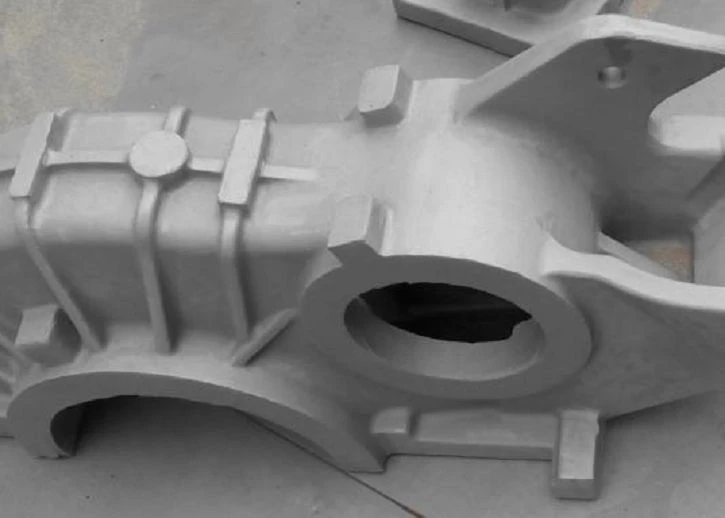

As a supplier of high - quality airplane doors, we are committed to developing products that are fully compatible with the latest autopilot systems. Our manufacturing techniques, such as Low Pressure Al Alloy Casting, Large Al Alloy Casting, and Al Alloy Upper Casing, ensure that our doors meet the highest standards of quality and safety.
If you are in the aviation industry and are interested in purchasing high - quality airplane doors that are designed to work seamlessly with the autopilot system, we invite you to contact us for a detailed discussion. Our team of experts is ready to assist you in finding the best solutions for your specific needs.
References
- Federal Aviation Administration (FAA). "Aircraft Maintenance and Flight Operations Regulations."
- International Civil Aviation Organization (ICAO). "Manual of Aeronautical Checks."
- Boeing. "Boeing Aircraft Systems Handbook."
- Airbus. "Airbus Flight Operations Manual."


