Hey there! As a supplier of casting equipment, I often get asked about the price range of different casting machines and tools. It's a tricky question because the cost can vary widely depending on a bunch of factors. In this blog, I'll break down the price ranges for various types of casting equipment and give you a better idea of what to expect when you're looking to make a purchase.
Factors Affecting the Price of Casting Equipment
Before we dive into the specific price ranges, let's talk about what makes the cost of casting equipment go up or down.
Size and Capacity: Generally, the bigger the machine and the more it can produce, the higher the price. A small tabletop casting machine for hobbyists will be much cheaper than a large industrial - scale furnace that can handle tons of metal.
Technology and Features: Advanced features like automated controls, precision temperature regulation, and high - end safety systems can significantly increase the cost. For example, a casting machine with state - of the - art digital controls will cost more than a basic manual one.
Material Quality: Equipment made from high - quality materials, such as durable alloys and heat - resistant ceramics, will usually be pricier. These materials ensure a longer lifespan and better performance, but they come at a cost.
Brand Reputation: Well - known brands with a history of reliability and excellent customer service often charge more for their products. You're not just paying for the equipment; you're also paying for the peace of mind that comes with a trusted brand.
Price Ranges for Different Types of Casting Equipment
1. Small - Scale Casting Tools for Hobbyists
If you're just getting into casting as a hobby, there are some affordable options out there. Basic casting molds, made from materials like silicone or plaster, can cost anywhere from $10 to $50. These are great for making small figurines, jewelry, or other decorative items.
Hand - held casting torches, which are used for melting small amounts of metal like silver or gold, can range from $50 to $200. They're relatively simple to use and don't require a lot of space.
Small electric melting furnaces for hobbyists can start at around $200 and go up to $1000. These furnaces are usually designed to melt a few pounds of metal at a time and are suitable for home workshops.
2. Medium - Sized Casting Equipment for Small Businesses
For small businesses that are looking to produce a moderate volume of castings, the price range jumps up a bit.
Medium - sized die - casting machines, which are used to create precise metal parts, can cost between $5,000 and $20,000. These machines are capable of producing parts with good accuracy and can handle a variety of metals.
Sand - casting equipment, including sand mixers, pattern makers, and molding boxes, for a small - scale operation can cost around $3,000 to $10,000. Sand casting is a versatile method that can be used to make a wide range of products.
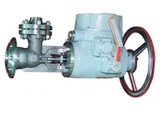
Industrial Furnaces For Cast Iron in the medium - size category, which can melt several hundred pounds of metal, typically range from $10,000 to $30,000. These furnaces are essential for businesses that need to melt and pour metal for casting.
3. Large - Scale Industrial Casting Equipment
When it comes to large - scale industrial casting, the prices can be quite high.
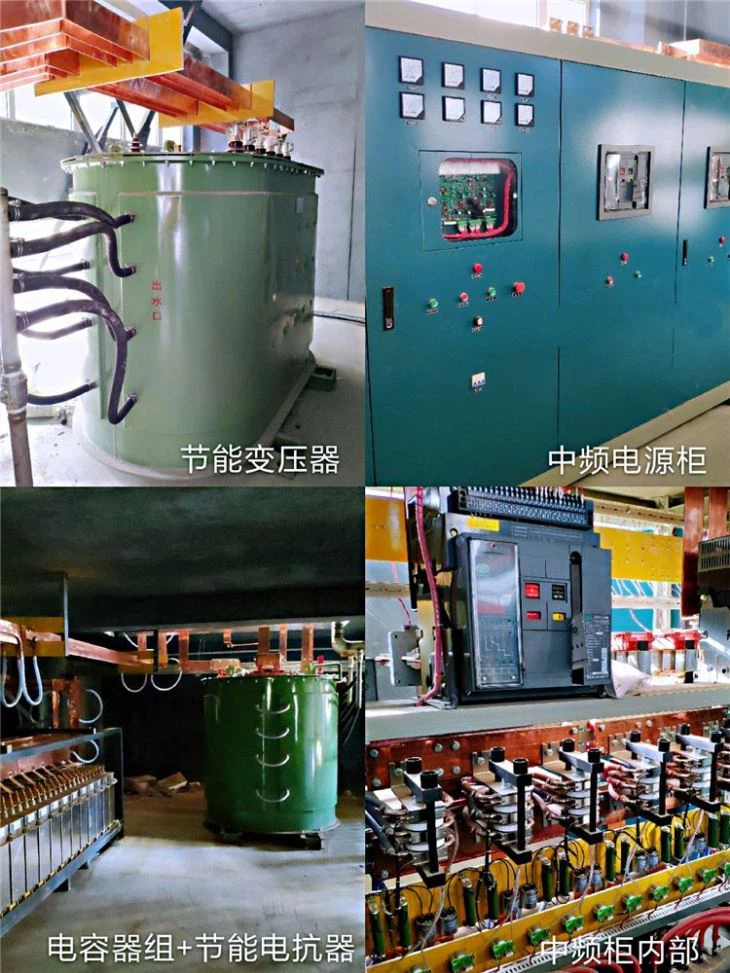

Large - capacity die - casting machines, used in mass production, can cost anywhere from $50,000 to several million dollars. These machines are designed to produce high - volume, high - precision parts with minimal human intervention.
Industrial Vacuum Cast Iron Furnace are used to melt and refine metals in a vacuum environment, which helps to produce high - quality castings. These furnaces can cost between $100,000 and $500,000, depending on their size and features.
Electro - slag Remelting Casting (ESRC) is a specialized process used to produce high - quality metal ingots. The equipment for ESRC can be very expensive, starting at around $200,000 and going up to over a million dollars, due to its complex technology and high - end components.
Why Price Isn't the Only Thing to Consider
While price is an important factor when buying casting equipment, it's not the only thing you should think about. You also need to consider the long - term costs, such as maintenance, energy consumption, and the availability of spare parts.
A cheaper piece of equipment might seem like a good deal at first, but if it breaks down frequently and requires expensive repairs, it could end up costing you more in the long run. On the other hand, a more expensive but reliable machine might save you money over time by reducing downtime and increasing productivity.
Contact Us for a Quote
If you're in the market for casting equipment and want to know more about our products and prices, don't hesitate to reach out. We have a wide range of casting equipment to suit different needs and budgets. Whether you're a hobbyist just starting out or a large industrial manufacturer, we can help you find the right equipment for your business.
Contact us to discuss your requirements and get a personalized quote. We're here to make the purchasing process as smooth and hassle - free as possible.
References
- "Casting Handbook: Theory and Practice of Metal Casting"
- "Industrial Casting Technology: Processes and Equipment"