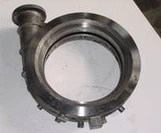
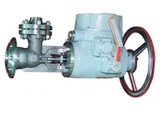
As a seasoned supplier of Ti Alloy Impellers, I understand the critical importance of proper storage conditions for these high - performance components. Titanium alloy impellers are widely used in various industries, including aerospace, chemical processing, and marine applications, due to their excellent corrosion resistance, high strength - to - weight ratio, and good fatigue properties. However, improper storage can lead to degradation of these properties, which in turn can affect the performance and lifespan of the impellers.
Temperature and Humidity Control
One of the most crucial aspects of storing titanium alloy impellers is maintaining the right temperature and humidity levels. Titanium alloys are sensitive to environmental conditions, and extreme temperatures and high humidity can cause oxidation and corrosion.
Temperature
The ideal storage temperature for titanium alloy impellers is between 10°C and 30°C (50°F and 86°F). Temperatures outside this range can have adverse effects on the material. High temperatures can accelerate the diffusion of oxygen and other elements into the titanium alloy, leading to the formation of an oxide layer on the surface. This oxide layer can reduce the fatigue strength and corrosion resistance of the impeller. On the other hand, extremely low temperatures can make the titanium alloy more brittle, increasing the risk of cracking during handling or subsequent use.
Humidity
Humidity levels should be kept below 60% relative humidity (RH). High humidity can create a moist environment that promotes the growth of rust and other forms of corrosion on the surface of the impeller. When the relative humidity exceeds 60%, water vapor can condense on the surface of the titanium alloy, providing a medium for chemical reactions that can damage the material. To control humidity, storage facilities can use dehumidifiers or desiccants. Silica gel is a commonly used desiccant that can effectively absorb moisture from the air and maintain a dry storage environment.
Protection from Contaminants
Titanium alloy impellers should be protected from contaminants such as dust, dirt, oil, and chemicals. These contaminants can not only cause surface damage but also react with the titanium alloy, altering its chemical composition and properties.
Dust and Dirt
Dust and dirt particles can scratch the surface of the impeller, creating sites for corrosion to initiate. To prevent dust and dirt from accumulating on the impellers, they should be stored in clean, enclosed containers or cabinets. If the impellers are stored in a large warehouse, the area should be regularly cleaned to minimize the presence of airborne particles.
Oil and Grease
Oil and grease can leave residues on the surface of the titanium alloy, which can interfere with subsequent processing steps such as machining or coating. Additionally, some oils and greases may contain chemicals that can react with the titanium alloy. Therefore, impellers should be stored away from sources of oil and grease, and any oil or grease on the impeller surface should be cleaned before storage.
Chemicals
Titanium alloys can react with certain chemicals, such as acids and alkalis. Storage areas should be kept free from spills of these chemicals. If there is a risk of chemical exposure, the impellers should be stored in a sealed container with a protective coating or wrapping to prevent direct contact with the chemicals.
Storage in a Controlled Atmosphere
In some cases, especially for high - precision or critical - application titanium alloy impellers, storing them in a controlled atmosphere can be beneficial. A controlled atmosphere can be achieved by using nitrogen or argon gas to displace the oxygen and moisture in the storage environment.
Nitrogen or Argon Gas Purging
Nitrogen and argon are inert gases that do not react with titanium alloys. By filling the storage container with these gases, the risk of oxidation and corrosion can be significantly reduced. Gas - purged storage containers are commonly used in aerospace and high - tech industries where the integrity of the titanium alloy components is of utmost importance.
Vacuum Storage
Vacuum storage is another option for protecting titanium alloy impellers. By removing the air from the storage container, the oxygen and moisture that can cause corrosion are eliminated. However, vacuum storage requires specialized equipment and is more expensive than other storage methods. It is typically used for small - scale, high - value impellers.
Handling and Packaging
Proper handling and packaging are also essential for ensuring the integrity of titanium alloy impellers during storage.
Handling
When handling titanium alloy impellers, care should be taken to avoid dropping or hitting them. Any impact can cause dents or cracks, which can compromise the structural integrity of the impeller. Workers should use appropriate lifting and handling equipment, such as hoists and cranes, and wear gloves to prevent fingerprints and other contaminants from being transferred to the impeller surface.
Packaging
Impellers should be properly packaged before storage. They can be wrapped in protective materials such as plastic film or bubble wrap to prevent scratches and damage. For large - scale storage, impellers can be placed in wooden crates or metal containers with cushioning materials to absorb any shocks during handling and storage.
Long - Term Storage Considerations
For long - term storage of titanium alloy impellers, additional precautions may be necessary.
Periodic Inspection
Periodic inspection of the impellers during storage is crucial to detect any signs of corrosion, damage, or degradation. Inspections should be carried out at regular intervals, and any issues should be addressed immediately. If corrosion is detected, the affected area should be cleaned and treated to prevent further spread.
Re - evaluation of Storage Conditions
Over time, the storage conditions may change. For example, the performance of a dehumidifier may decline, or the temperature in the storage area may be affected by seasonal changes. Therefore, the storage conditions should be regularly re - evaluated and adjusted as needed to ensure that they remain within the recommended range.
Conclusion
Proper storage conditions are essential for maintaining the quality and performance of titanium alloy impellers. By controlling temperature and humidity, protecting from contaminants, using a controlled atmosphere if necessary, and ensuring proper handling and packaging, the risk of damage and degradation during storage can be minimized.
If you are in the market for high - quality Ti Alloy Impellers, Ti Alloy Aerospace Investment Castings, or Ti Alloy Valves, we are here to provide you with the best products and services. We have extensive experience in manufacturing and supplying titanium alloy components, and we can ensure that our products are stored under the optimal conditions to meet your requirements. Contact us today to discuss your procurement needs and start a fruitful business partnership.


References
- ASM Handbook Volume 2: Properties and Selection: Nonferrous Alloys and Special - Purpose Materials. ASM International.
- Titanium: A Technical Guide. Second Edition. ASM International.
- Corrosion of Titanium and Titanium Alloys. NACE International.