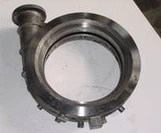
As a supplier of Aluminum Alloy Casting, I've seen my fair share of issues during the assembly process. Aluminum alloy castings are widely used in various industries due to their lightweight, high strength, and excellent corrosion resistance. However, the assembly of these castings can be a tricky business, and there are several common problems that can pop up. In this blog, I'll share some of these issues and how we can deal with them.
Porosity
One of the most common issues in the assembly of aluminum alloy castings is porosity. Porosity refers to the presence of small holes or voids in the casting. This can occur due to a variety of reasons, such as gas entrapment during the casting process, shrinkage during solidification, or improper gating and risering design.
Gas entrapment is often caused by the presence of moisture or other volatile substances in the mold or the molten metal. When the metal solidifies, these gases are trapped inside, creating pores. Shrinkage porosity, on the other hand, happens when the metal contracts as it cools. If there isn't enough molten metal to fill the space created by the shrinkage, voids are formed.
Porosity can weaken the casting and reduce its mechanical properties. It can also lead to leakage in applications where the casting is used to contain fluids or gases. To prevent porosity, we need to ensure proper mold design, use dry and clean materials, and optimize the casting process parameters. For example, we can use degassing techniques to remove gases from the molten metal and improve the gating and risering system to ensure proper feeding of the casting.
Cracking
Cracking is another major issue in aluminum alloy casting assembly. Cracks can occur during the casting process or during the subsequent machining or assembly operations. There are two main types of cracks: hot cracks and cold cracks.
Hot cracks form during the solidification process when the metal is in a semi - solid state. They are usually caused by high thermal stresses, improper alloy composition, or poor mold design. Cold cracks, on the other hand, develop after the casting has cooled to room temperature. These cracks can be due to residual stresses, improper heat treatment, or mechanical damage during handling.
Cracks can significantly reduce the strength and integrity of the casting. They can also act as initiation points for further damage, such as fatigue failure. To prevent cracking, we need to control the thermal stresses during casting, choose the right alloy composition, and ensure proper heat treatment. For example, we can use pre - heating and post - heating techniques to reduce thermal gradients and relieve residual stresses.
Dimensional Inaccuracies
Dimensional inaccuracies are also quite common in the assembly of aluminum alloy castings. These inaccuracies can be caused by several factors, including mold wear, thermal expansion and contraction, and improper machining.
Mold wear can occur over time due to the repeated contact with the molten metal. This can change the shape and size of the mold cavity, resulting in castings that are out of tolerance. Thermal expansion and contraction during the casting and cooling process can also cause dimensional changes. If these changes are not accounted for in the mold design, the final casting may not meet the required dimensions.
Improper machining can also lead to dimensional inaccuracies. For example, if the cutting tools are not sharp or if the machining parameters are not set correctly, the casting may be over - or under - machined.
Dimensional inaccuracies can cause problems during assembly, such as misalignment or interference between parts. To ensure dimensional accuracy, we need to regularly inspect and maintain the molds, use proper machining techniques, and perform dimensional inspections during the production process.
Surface Defects
Surface defects are a common issue in aluminum alloy castings. These defects can include rough surfaces, sand inclusions, and oxidation.
Rough surfaces can be caused by poor mold finish, improper gating design, or the presence of impurities in the molten metal. Sand inclusions occur when sand particles from the mold are incorporated into the casting. Oxidation can happen when the molten metal is exposed to air during the casting process.
Surface defects can affect the appearance of the casting and may also reduce its corrosion resistance. They can also cause problems during subsequent finishing operations, such as painting or plating. To prevent surface defects, we need to ensure a smooth mold finish, use proper gating and pouring techniques, and protect the molten metal from oxidation. For example, we can use coatings on the mold surface and cover the molten metal with a protective gas.

Assembly Fit and Tolerance Issues
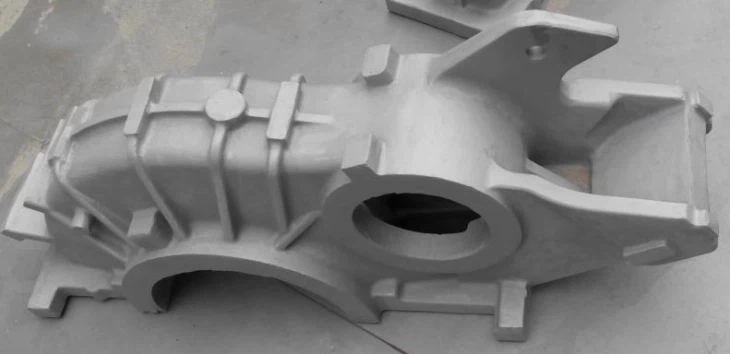
When it comes to assembling aluminum alloy castings, fit and tolerance issues can be a real headache. Even if the individual castings are dimensionally accurate, they may not fit together properly due to variations in the manufacturing process.
For example, if the tolerances on the mating surfaces of two castings are too loose, there may be excessive play between the parts, which can lead to vibration and noise. On the other hand, if the tolerances are too tight, the parts may be difficult to assemble, and there may be excessive stress on the components.
To address fit and tolerance issues, we need to have a well - defined tolerance stack - up analysis during the design phase. This analysis helps us to understand how the tolerances of individual parts will affect the overall assembly. We also need to use precise machining and inspection techniques to ensure that the parts meet the required tolerances.
Solutions and Our Expertise
At our company, we have extensive experience in dealing with these common issues in the assembly of aluminum alloy castings. We use state - of - the - art technology and advanced manufacturing processes to minimize these problems.
For example, we have a team of experienced engineers who specialize in mold design. They use computer - aided design (CAD) and simulation software to optimize the mold design and ensure proper gating and risering. This helps to reduce porosity and dimensional inaccuracies.
We also have strict quality control measures in place. We perform regular inspections at every stage of the production process, from raw material inspection to final assembly. This ensures that our castings meet the highest quality standards.
If you're in the market for high - quality Upper Casing Aluminum Alloy Casting, Al Alloy Casting, or Low Pressure Al Alloy Casting, we'd love to hear from you. Our team is ready to work with you to provide customized solutions that meet your specific requirements. Whether you're facing issues with porosity, cracking, or any other assembly problems, we have the expertise to help.
Contact us today to start a conversation about your aluminum alloy casting needs. We're confident that we can provide you with the best products and services in the industry.
References
- Campbell, J. (2003). Castings. Butterworth - Heinemann.
- Davis, J. R. (ed.). (2008). Aluminum and Aluminum Alloys. ASM International.
- Kalpakjian, S., & Schmid, S. R. (2014). Manufacturing Engineering and Technology. Pearson.