In the modern era, the railway industry stands as a cornerstone of global transportation, constantly evolving to meet the demands of efficiency, safety, and sustainability. Amidst this evolution, the role of advanced materials has become increasingly prominent. One such material that has gained significant traction in the railway sector is titanium alloy. As a leading supplier of Titanium Alloy Castings, I am excited to explore the diverse applications of these remarkable components in the railway industry.
Lightweighting for Enhanced Efficiency
One of the most significant advantages of titanium alloy castings in the railway industry is their exceptional strength-to-weight ratio. Titanium alloys are renowned for being lightweight yet incredibly strong, making them ideal for applications where reducing weight is crucial without compromising structural integrity. In railway vehicles, every kilogram saved in weight translates to reduced energy consumption, lower operating costs, and increased payload capacity.
For instance, titanium alloy castings can be used in the construction of railway carriages, specifically in the frames and structural components. By replacing traditional steel components with titanium alloy castings, the overall weight of the carriage can be significantly reduced. This not only improves the energy efficiency of the train but also enhances its acceleration and braking performance. Moreover, the reduced weight puts less stress on the tracks, leading to decreased wear and tear and lower maintenance costs.
Another area where lightweight titanium alloy castings can make a difference is in the wheels and axles of railway vehicles. These components are subjected to high loads and stresses during operation, and reducing their weight can improve the overall performance and durability of the wheelset. Titanium alloy castings can be used to manufacture lightweight yet robust wheels and axles, which can help to reduce the unsprung mass of the vehicle and improve its ride quality.
Corrosion Resistance for Longevity
In addition to their lightweight properties, titanium alloy castings offer excellent corrosion resistance. The railway industry operates in a variety of harsh environments, including coastal areas where saltwater corrosion is a significant concern. Traditional materials such as steel are prone to rust and corrosion, which can weaken the structural integrity of the railway infrastructure and lead to costly repairs and replacements.
Titanium alloys, on the other hand, form a protective oxide layer on their surface when exposed to oxygen, which prevents further corrosion. This makes them highly resistant to rust, saltwater corrosion, and other forms of environmental degradation. In the railway industry, titanium alloy castings can be used in applications where corrosion resistance is critical, such as in the construction of bridges, tunnels, and other infrastructure components.
For example, titanium alloy castings can be used to manufacture fasteners, connectors, and other hardware that are exposed to the elements. These components are often subjected to moisture, salt, and other corrosive substances, and using titanium alloy castings can ensure their long-term durability and reliability. Additionally, titanium alloy castings can be used in the construction of railway tracks, specifically in the areas where the tracks are exposed to saltwater or other corrosive agents. By using titanium alloy castings in these applications, the lifespan of the tracks can be significantly extended, reducing the need for frequent repairs and replacements.
High-Temperature Resistance for Safety
The railway industry also faces challenges related to high temperatures, particularly in applications such as braking systems and engine components. Traditional materials may experience a loss of strength and integrity at high temperatures, which can compromise the safety and performance of the railway vehicle.
Titanium alloys have excellent high-temperature resistance, making them suitable for use in applications where exposure to high temperatures is expected. For example, titanium alloy castings can be used in the manufacture of brake discs and pads, which generate a significant amount of heat during braking. The high-temperature resistance of titanium alloys ensures that these components maintain their strength and performance even under extreme conditions, enhancing the safety and reliability of the braking system.
In addition, titanium alloy castings can be used in the construction of engine components, such as turbine blades and exhaust systems. These components are subjected to high temperatures and pressures during operation, and using titanium alloy castings can ensure their durability and performance. By using titanium alloy castings in these applications, the efficiency and reliability of the railway engine can be improved, leading to reduced fuel consumption and lower emissions.
Precision and Complexity in Design
As a Ti Alloy Casting supplier, I understand the importance of precision and complexity in design. Titanium alloy castings offer excellent casting properties, allowing for the production of components with intricate shapes and precise dimensions. This makes them ideal for use in applications where custom designs are required, such as in the manufacture of specialized railway equipment and components.
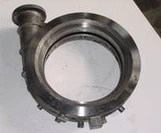
For example, titanium alloy castings can be used to manufacture Ti Alloy Impellers for railway ventilation systems. These impellers require a high level of precision and complexity in design to ensure efficient air circulation and ventilation. Using titanium alloy castings allows for the production of impellers with precise blade shapes and dimensions, which can improve the performance and efficiency of the ventilation system.
In addition, titanium alloy castings can be used in the manufacture of other specialized railway components, such as gears, bearings, and valves. These components often require custom designs to meet the specific requirements of the railway application, and using titanium alloy castings can ensure their high quality and performance. By working closely with our customers, we can provide customized titanium alloy castings that meet their exact specifications and requirements.
Cost-Effectiveness in the Long Run
While titanium alloys may have a higher initial cost compared to traditional materials, their long-term cost-effectiveness makes them a compelling choice for the railway industry. The lightweight properties of titanium alloy castings result in reduced energy consumption, lower operating costs, and increased payload capacity, which can lead to significant savings over the lifespan of the railway vehicle.
In addition, the corrosion resistance and high-temperature resistance of titanium alloys ensure their long-term durability and reliability, reducing the need for frequent repairs and replacements. This can result in lower maintenance costs and downtime, further contributing to the overall cost-effectiveness of using titanium alloy castings in the railway industry.
Conclusion
In conclusion, titanium alloy castings offer a wide range of benefits for the railway industry, including lightweighting, corrosion resistance, high-temperature resistance, precision in design, and long-term cost-effectiveness. As a Casting Of Titanium Alloys supplier, I am committed to providing high-quality titanium alloy castings that meet the specific needs and requirements of the railway industry.
If you are interested in learning more about the applications of titanium alloy castings in the railway industry or would like to discuss your specific requirements, please feel free to contact us. We look forward to working with you to provide innovative solutions that enhance the efficiency, safety, and sustainability of your railway operations.


References
- "Titanium Alloys in the Aerospace and Automotive Industries." ASM International Handbook Committee. ASM Handbook, Volume 2: Properties and Selection: Nonferrous Alloys and Special-Purpose Materials. ASM International, 2001.
- "Corrosion Resistance of Titanium Alloys." Titanium Information Group. Available online at https://www.titanium.org/faq/corrosion.html.
- "High-Temperature Properties of Titanium Alloys." NASA Technical Report Server. Available online at https://ntrs.nasa.gov/search.jsp?R=19920014034.
- "Casting of Titanium Alloys." ASM International Handbook Committee. ASM Handbook, Volume 15: Casting. ASM International, 2008.