In recent years, the automotive industry has witnessed a significant shift towards the use of advanced materials to enhance performance, efficiency, and durability. Among these materials, titanium alloy castings have emerged as a game-changer, offering a unique combination of strength, lightness, and corrosion resistance. As a leading supplier of titanium alloy castings, I am excited to share insights into the diverse applications of these innovative components in the automotive sector.
Engine Components
One of the primary areas where titanium alloy castings are making a substantial impact is in engine construction. The high strength-to-weight ratio of titanium alloys makes them ideal for manufacturing critical engine parts, such as connecting rods, valves, and turbocharger components. These parts are subjected to extreme temperatures, pressures, and mechanical stresses, requiring materials that can withstand these harsh conditions without compromising performance.
Connecting Rods
Titanium alloy connecting rods are significantly lighter than their steel counterparts, reducing the overall weight of the engine and improving its power-to-weight ratio. This weight reduction translates into improved acceleration, better fuel efficiency, and reduced emissions. Additionally, titanium's superior fatigue resistance ensures that the connecting rods can withstand the high stresses generated during engine operation, resulting in a longer service life.
Valves
The use of titanium alloy valves in automotive engines has become increasingly popular due to their lightweight and excellent heat resistance properties. Titanium valves can operate at higher temperatures than traditional steel valves, allowing for more efficient combustion and improved engine performance. The reduced weight of titanium valves also reduces the reciprocating mass in the engine, which leads to quicker valve opening and closing times, resulting in enhanced engine response and power output.
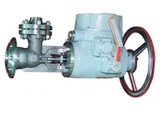
For those interested in high-quality titanium alloy valves, you can explore our Ti Alloy Valve offerings.
Turbocharger Components
Turbochargers play a crucial role in increasing the power output of modern automotive engines by compressing the intake air. Titanium alloy castings are used in various turbocharger components, such as turbine wheels and compressor housings, due to their high strength, heat resistance, and low inertia. The lightweight nature of titanium allows the turbocharger to spool up more quickly, reducing turbo lag and providing instant power delivery. Our Ti Alloy Turbine Impeller is designed to meet the demanding requirements of high-performance turbocharger applications.
Exhaust Systems
Titanium alloy castings are also finding applications in automotive exhaust systems. Exhaust systems are exposed to high temperatures, corrosive gases, and mechanical vibrations, making them a challenging environment for materials. Titanium's excellent corrosion resistance and high-temperature strength make it an ideal choice for manufacturing exhaust components, such as headers, mufflers, and tailpipes.
Headers
Titanium alloy headers offer several advantages over traditional steel headers. The lightweight nature of titanium reduces the overall weight of the exhaust system, improving the vehicle's handling and performance. Additionally, titanium's high heat resistance allows the headers to maintain their structural integrity at high temperatures, resulting in better exhaust flow and increased engine power.
Mufflers and Tailpipes
Titanium alloy mufflers and tailpipes not only provide a stylish appearance but also offer superior corrosion resistance and durability. The smooth surface finish of titanium helps to reduce exhaust backpressure, improving engine efficiency and performance. Moreover, titanium's low weight contributes to a reduction in the vehicle's overall weight, further enhancing fuel economy.
Suspension Components
The automotive suspension system plays a critical role in providing a comfortable ride and ensuring the vehicle's stability and handling. Titanium alloy castings are increasingly being used in suspension components, such as control arms, sway bars, and shock absorber mounts, to improve the system's performance and durability.
Control Arms
Titanium alloy control arms are lighter and stronger than traditional steel control arms, reducing unsprung weight and improving the suspension system's responsiveness. The reduced weight allows the wheels to follow the road surface more effectively, resulting in better traction and handling. Additionally, titanium's corrosion resistance ensures that the control arms can withstand the harsh environmental conditions to which they are exposed, extending their service life.
Sway Bars
Sway bars, also known as anti-roll bars, are used to reduce body roll during cornering. Titanium alloy sway bars offer a higher strength-to-weight ratio than steel sway bars, allowing for a more effective reduction in body roll without adding significant weight to the vehicle. The lightweight nature of titanium also contributes to improved vehicle dynamics and handling.


Shock Absorber Mounts
Shock absorber mounts are responsible for transmitting the forces generated by the shock absorbers to the vehicle's chassis. Titanium alloy shock absorber mounts provide excellent strength and stiffness, ensuring that the shock absorbers can function effectively. The corrosion resistance of titanium also helps to prevent rust and corrosion, which can degrade the performance of the shock absorber mounts over time.
Structural Components
In addition to engine, exhaust, and suspension components, titanium alloy castings are also being used in various structural components of automotive vehicles. These components include frames, body panels, and seats, where the high strength and lightweight properties of titanium can significantly improve the vehicle's safety, performance, and fuel efficiency.
Frames
Titanium alloy frames offer a high level of strength and stiffness, providing excellent protection for the vehicle's occupants in the event of a collision. The lightweight nature of titanium also reduces the overall weight of the vehicle, which contributes to improved fuel efficiency and performance. Moreover, titanium's corrosion resistance ensures that the frame remains structurally sound over the vehicle's lifespan.
Body Panels
The use of titanium alloy body panels can reduce the weight of the vehicle's body, improving its handling and fuel efficiency. Titanium's high strength also allows for the design of thinner and lighter body panels without compromising on safety or durability. Additionally, titanium's corrosion resistance helps to maintain the appearance of the vehicle's body over time.
Seats
Titanium alloy castings can be used in seat frames and other seat components to reduce weight and improve comfort. The high strength of titanium ensures that the seats can withstand the forces exerted during normal use and in the event of a collision. The lightweight nature of titanium also contributes to a reduction in the vehicle's overall weight, which can improve fuel efficiency.
Large Ti Alloy Castings for Automotive Applications
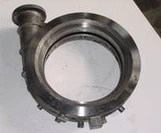
For more substantial automotive components, our Large Ti Alloy Casting solutions are designed to meet the specific requirements of the automotive industry. These castings can be used in a variety of applications, including engine blocks, transmission cases, and structural frames, where their high strength and lightweight properties can provide significant benefits.
Conclusion
The applications of titanium alloy castings in the automotive industry are vast and diverse, offering numerous benefits in terms of performance, efficiency, and durability. As a supplier of high-quality titanium alloy castings, we are committed to providing our customers with the latest and most innovative solutions to meet their automotive component needs. Whether you are looking for engine components, exhaust systems, suspension components, or structural components, our team of experts can work with you to develop customized solutions that meet your specific requirements.
If you are interested in learning more about our titanium alloy casting products or would like to discuss potential applications in the automotive industry, please do not hesitate to contact us. Our sales team is ready to assist you with any inquiries and to facilitate a productive procurement discussion.
References
- Jones, H. (2018). Titanium in the automotive industry: A review of applications and opportunities. Journal of Materials Engineering and Performance, 27(5), 2470-2481.
- Courtney, T. H. (2000). Mechanical Behavior of Materials. McGraw-Hill Education.
- Boyer, R. R. (2015). Materials Properties Handbook: Titanium Alloys. ASM International.