

Alloying processes play a crucial role in the field of casting equipment. As a leading supplier of casting equipment, I have witnessed firsthand the significance of these processes in enhancing the quality and performance of cast products. In this blog post, I will delve into the various alloying processes used in casting equipment, exploring their principles, applications, and benefits.
Understanding Alloying in Casting
Alloying is the process of combining two or more elements, at least one of which is a metal, to form an alloy. In casting, alloying is used to modify the properties of the base metal, such as strength, hardness, corrosion resistance, and heat resistance. By carefully selecting the alloying elements and controlling the alloying process, manufacturers can produce castings with specific properties tailored to meet the requirements of various applications.
Common Alloying Processes in Casting Equipment
1. Melting and Mixing
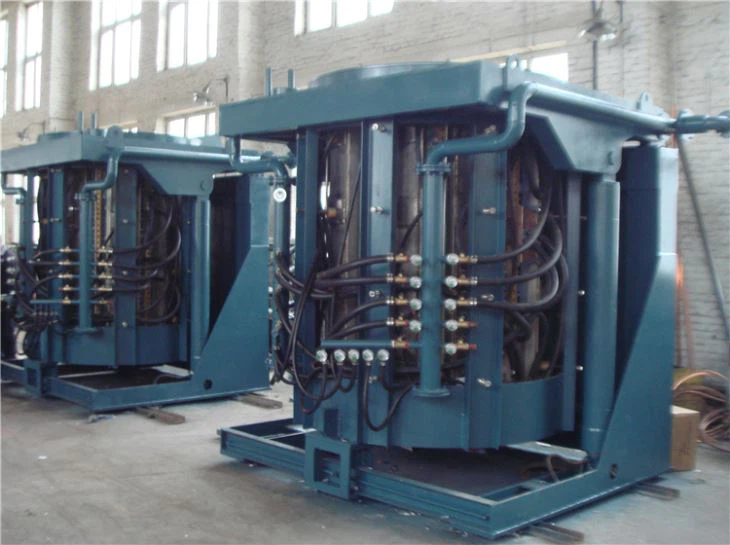
The most basic alloying process in casting involves melting the base metal and adding the alloying elements. This is typically done in a furnace, such as the Industrial Furnaces For Cast Iron. The furnace provides the necessary heat to melt the metal, and the alloying elements are added in the form of pure metals, master alloys, or compounds. Once the alloying elements are added, the molten metal is stirred to ensure uniform distribution of the elements throughout the melt.
The choice of furnace depends on the type of metal being melted and the specific requirements of the alloying process. For example, induction furnaces are commonly used for melting non-ferrous metals, while electric arc furnaces are used for melting ferrous metals. The temperature and time of melting are also critical factors that affect the quality of the alloy. Overheating can cause oxidation and evaporation of the alloying elements, while insufficient heating can result in incomplete melting and poor mixing.
2. Inoculation
Inoculation is a process used to refine the grain structure of the cast metal. It involves adding small amounts of inoculants, such as ferrosilicon, to the molten metal just before pouring. The inoculants act as nucleation sites, promoting the formation of a large number of small grains during solidification. A finer grain structure improves the mechanical properties of the cast metal, such as strength, ductility, and toughness.
Inoculation is particularly important in the casting of cast iron, where it can help to control the graphite morphology and improve the machinability of the castings. By using the appropriate inoculant and controlling the inoculation process, manufacturers can produce cast iron with different grades and properties to meet the specific requirements of various applications.
3. Electro-slag Remelting Casting (ESRC)
Electro-slag Remelting Casting (ESRC) is a specialized alloying process used to produce high-quality castings with excellent purity and homogeneity. In this process, a consumable electrode made of the desired alloy is melted in a slag bath. The slag acts as a refining agent, removing impurities from the molten metal and providing a protective atmosphere to prevent oxidation.
As the electrode melts, the molten metal drips through the slag bath and solidifies in a water-cooled mold, forming a casting with a fine-grained structure and high density. ESRC is commonly used in the production of high-performance alloys for aerospace, automotive, and tooling applications, where the quality and reliability of the castings are of utmost importance.
4. AOD (Argon Oxygen Decarburization) Refining Furnace
The AOD (Argon Oxygen Decarburization) Refining Furnace is another important alloying process used in the production of stainless steel and other high-alloy steels. In this process, a mixture of argon and oxygen is blown into the molten steel to remove carbon and other impurities. The argon helps to prevent oxidation of the alloying elements, while the oxygen reacts with the carbon to form carbon monoxide, which is then removed from the melt.
The AOD process allows for precise control of the carbon content and other alloying elements in the steel, resulting in high-quality castings with excellent corrosion resistance and mechanical properties. It is widely used in the production of stainless steel castings for various industries, including food processing, chemical, and marine applications.
Benefits of Using Alloying Processes in Casting Equipment
The use of alloying processes in casting equipment offers several benefits, including:
- Improved Mechanical Properties: Alloying can significantly enhance the strength, hardness, ductility, and toughness of the cast metal, making it suitable for a wider range of applications.
- Enhanced Corrosion Resistance: By adding alloying elements such as chromium, nickel, and molybdenum, the corrosion resistance of the cast metal can be greatly improved, making it more durable in harsh environments.
- Tailored Properties: Alloying allows manufacturers to customize the properties of the cast metal to meet the specific requirements of different applications, such as high-temperature resistance, wear resistance, and magnetic properties.
- Increased Productivity: By using advanced alloying processes, manufacturers can produce high-quality castings more efficiently, reducing production time and costs.
Applications of Alloyed Castings
Alloyed castings are used in a wide variety of industries, including:
- Automotive: Alloyed castings are used in engine components, transmission parts, and suspension systems to improve performance and durability.
- Aerospace: High-strength and lightweight alloyed castings are used in aircraft engines, airframes, and landing gear to reduce weight and improve fuel efficiency.
- Energy: Alloyed castings are used in power generation equipment, such as turbines and generators, to withstand high temperatures and pressures.
- Industrial Machinery: Alloyed castings are used in various industrial machinery, such as pumps, valves, and compressors, to provide reliable and long-lasting performance.
Conclusion
Alloying processes are essential in the field of casting equipment, allowing manufacturers to produce high-quality castings with tailored properties to meet the demands of various industries. As a casting equipment supplier, I am committed to providing our customers with the latest and most advanced alloying technologies to help them achieve their production goals. Whether you are looking for a furnace for melting and mixing, an inoculation system for grain refinement, or a specialized alloying process such as ESRC or AOD, we have the expertise and experience to provide you with the right solution.

If you are interested in learning more about our casting equipment and alloying processes, or if you have any specific requirements for your casting production, please do not hesitate to contact us. We look forward to discussing your needs and helping you find the best solution for your business.
References
- Campbell, J. (2003). Castings. Butterworth-Heinemann.
- Davis, J. R. (Ed.). (1993). ASM Specialty Handbook: Casting. ASM International.
- Kalpakjian, S., & Schmid, S. R. (2010). Manufacturing Engineering and Technology. Pearson Prentice Hall.


