As a supplier of Superalloy Casting, I've been deeply involved in the industry for quite some time. One question that often comes up in discussions is: "Is it easy to recycle superalloy castings?" In this blog, I'll delve into this topic, sharing insights based on my experiences and industry knowledge.
Understanding Superalloy Castings
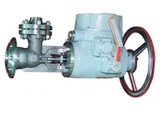
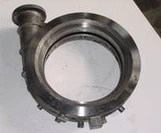
Before we discuss recycling, let's first understand what superalloy castings are. Superalloys are a group of high - performance alloys that exhibit excellent mechanical strength, resistance to thermal creep deformation, good surface stability, and resistance to corrosion or oxidation at high temperatures. These properties make them ideal for applications in aerospace, power generation, and chemical processing industries. For example, Super Alloy Casting Pump Body is widely used in chemical plants due to its high - temperature and corrosion - resistant properties.
Superalloy castings are produced through a complex casting process. The raw materials, which are a combination of various metals such as nickel, cobalt, and chromium, are melted and then poured into molds to form the desired shapes. The precision and quality of these castings are crucial, as they are often used in critical applications where failure can have severe consequences.
The Recycling Process of Superalloy Castings
Recycling superalloy castings is a multi - step process that involves several challenges. The first step is the collection of scrap superalloy castings. This can be a difficult task as these castings are often used in specialized industries, and the scrap may be scattered across different locations. Additionally, the scrap may be contaminated with other materials, such as sand from the casting process or other metals from the surrounding environment.
Once the scrap is collected, it needs to be sorted. Different superalloys have different compositions, and it's essential to separate them accurately. This is because the recycling process is highly dependent on the specific alloy composition. For example, a nickel - based superalloy will require a different recycling method compared to a cobalt - based one. Sorting is usually done through various techniques, including chemical analysis and magnetic separation.
After sorting, the scrap is melted down. This is a critical step as the melting process needs to be carefully controlled to ensure that the alloy's properties are maintained. Superalloys have high melting points, and special furnaces are required to reach these temperatures. During melting, impurities need to be removed to ensure the quality of the recycled alloy. This can be achieved through processes such as slagging, where impurities rise to the surface and are skimmed off.
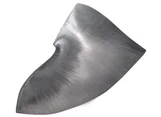
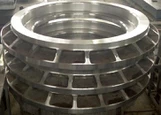
The final step is the re - casting of the recycled alloy into new products. This requires the same level of precision as the original casting process. The recycled alloy needs to be poured into molds to form new superalloy castings, such as Super Alloy Casting.
Challenges in Recycling Superalloy Castings
One of the main challenges in recycling superalloy castings is the high cost. The collection, sorting, and melting processes require specialized equipment and skilled labor. The cost of operating high - temperature furnaces and conducting chemical analyses can be substantial. Additionally, the need to maintain the quality of the recycled alloy adds to the cost. Any deviation in the alloy's composition can affect its performance, and strict quality control measures need to be in place.
Another challenge is the limited availability of recycling facilities. There are relatively few facilities that are capable of recycling superalloy castings due to the technical complexity and high cost involved. This means that scrap superalloy castings may need to be transported over long distances to reach a recycling facility, which further increases the cost and carbon footprint.
The presence of impurities in the scrap is also a significant challenge. As mentioned earlier, superalloy castings may be contaminated with other materials. Removing these impurities without affecting the alloy's composition is a difficult task. For example, some impurities may react with the alloy during the melting process, leading to changes in its properties.
The Benefits of Recycling Superalloy Castings
Despite the challenges, there are several benefits to recycling superalloy castings. One of the most significant benefits is the conservation of natural resources. Superalloys are made from rare and valuable metals, and recycling helps to reduce the demand for new mining. This not only conserves these precious resources but also reduces the environmental impact associated with mining activities.
Recycling also has economic benefits. By recycling superalloy castings, companies can reduce their raw material costs. Instead of purchasing new superalloys, they can use recycled materials, which are often more cost - effective. Additionally, the recycling industry creates jobs in areas such as collection, sorting, and melting.
From an environmental perspective, recycling superalloy castings reduces energy consumption. The production of new superalloys from raw materials requires a large amount of energy, especially during the mining and refining processes. Recycling, on the other hand, consumes less energy as the scrap is already in a semi - processed state.
Conclusion
In conclusion, recycling superalloy castings is not an easy task. It involves a complex process with several challenges, including high costs, limited recycling facilities, and the presence of impurities. However, the benefits of recycling, such as resource conservation, economic savings, and environmental protection, make it a worthwhile endeavor.
As a Superalloy Casting supplier, I understand the importance of both producing high - quality castings and promoting sustainable practices. If you are interested in purchasing superalloy castings or have any questions about our products, I encourage you to reach out for a procurement discussion. We are committed to providing you with the best solutions for your superalloy casting needs.


References
- "Superalloys: A Technical Guide" by John R. Davis
- "Recycling of High - Performance Alloys" by various authors in the Journal of Materials Recycling