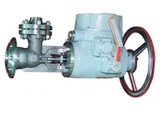
Hey there! As a supplier of Ti Alloy Valves, I often get asked about how the price of our titanium alloy valves stacks up against stainless - steel valves. It's a great question, and today I'm gonna break it down for you.
Let's start with the basics. Stainless - steel valves have been around for ages. They're a staple in a whole bunch of industries, from plumbing to chemical processing. You can find them just about anywhere because they're relatively cheap to produce. The raw materials for stainless steel are more abundant and easier to source compared to titanium alloy. This means that when it comes to the upfront cost, stainless - steel valves are usually the more budget - friendly option.
But hey, price isn't everything. When you look at titanium alloy valves, you're paying for a whole different set of features and benefits. Titanium alloy is known for its outstanding corrosion resistance. In harsh environments where stainless steel might start to rust or corrode over time, titanium alloy valves can hold up much better. For example, in marine applications where the valves are constantly exposed to saltwater, or in chemical plants where they come into contact with corrosive chemicals, titanium alloy valves are a game - changer.
Another factor is strength - to - weight ratio. Titanium alloy is incredibly strong, yet it's much lighter than stainless steel. This can be a huge advantage in industries where weight is a concern, like aerospace. Lighter valves mean less overall weight in an aircraft, which can lead to better fuel efficiency.
Now, let's talk about the price difference in more detail. The price of titanium alloy valves is generally higher than that of stainless - steel valves. There are a few reasons for this. First off, the raw materials for titanium alloy are more expensive. Titanium is not as common as the metals used in stainless steel, and the extraction and refinement process is more complex and costly.
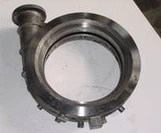
Secondly, the manufacturing process of titanium alloy valves is more challenging. Titanium has a high melting point, which means it requires specialized equipment and techniques to cast and machine. For more information on the casting process of titanium alloys, you can check out Casting Of Titanium Alloys.
In some cases, the price of a titanium alloy valve can be two to three times that of a comparable stainless - steel valve. However, it's important to look at the long - term cost. Because titanium alloy valves last longer and require less maintenance due to their corrosion resistance and durability, they can actually save you money in the long run.
Let's take an example. Suppose you're running a chemical plant. You have a choice between installing stainless - steel valves or titanium alloy valves. The stainless - steel valves are cheaper upfront, but they need to be replaced every few years because of corrosion. On the other hand, the titanium alloy valves, although more expensive initially, can last for decades without major issues. When you factor in the cost of replacement, downtime for maintenance, and lost production during valve replacement, the titanium alloy valves might end up being the more cost - effective option.
In the aerospace industry, the weight advantage of titanium alloy valves can also lead to significant cost savings. Airlines are always looking for ways to reduce fuel consumption, and using lighter valves is one way to achieve that. Over the lifetime of an aircraft, the savings in fuel costs can far outweigh the higher initial cost of the titanium alloy valves.
Now, let's look at some specific applications where titanium alloy valves really shine. In the oil and gas industry, valves are used in various processes, from wellhead control to pipeline transportation. These valves are exposed to high - pressure, high - temperature environments, as well as corrosive substances like hydrogen sulfide. Titanium alloy valves can withstand these harsh conditions much better than stainless - steel valves, reducing the risk of leaks and failures.
In the power generation industry, especially in nuclear power plants, the reliability of valves is crucial. Titanium alloy valves offer better resistance to radiation and corrosion, making them a safer and more reliable choice.
If you're involved in the production of high - performance turbines, you might be interested in Ti Alloy Turbine Impeller and Ti Alloy Impeller. These components, often made from titanium alloy, work in conjunction with valves in turbine systems. The high - strength and light - weight properties of titanium alloy contribute to the overall efficiency and performance of the turbines.
So, when should you choose titanium alloy valves over stainless - steel valves? If you're in an industry where corrosion resistance, strength - to - weight ratio, and long - term durability are critical, then titanium alloy valves are the way to go. However, if you're on a tight budget and the application doesn't require extreme durability or performance, stainless - steel valves might be sufficient.
As a supplier of Ti Alloy Valves, I'm here to help you make the right choice for your specific needs. Whether you're in the aerospace, chemical, oil and gas, or any other industry, I can provide you with high - quality titanium alloy valves that meet your requirements.
If you're interested in learning more about our Ti Alloy Valves or want to discuss your specific application, I'd love to hear from you. Let's have a chat about how we can work together to find the best valve solution for your business. Reach out to me, and we can start a conversation about your procurement needs.


References
- Industry reports on valve manufacturing and materials
- Case studies from chemical plants, aerospace companies, and other industries using valves