

Hey there! I'm in the business of supplying airplane doors, and one question that often pops up is, "Can airplane doors be opened in case of a bird strike?" Let's dig into this topic and find out the real deal.
First off, what exactly is a bird strike? A bird strike happens when an aircraft hits a bird or birds during flight. It can occur at any stage of the flight, from take - off to landing. These strikes can cause various levels of damage, from minor dents to more serious issues that might affect the plane's safety systems.
Now, let's talk about airplane doors. The doors on an airplane are not your average doors. They are designed with a whole bunch of safety features in mind. They're made to withstand high pressures, strong winds, and of course, potential impacts like bird strikes.
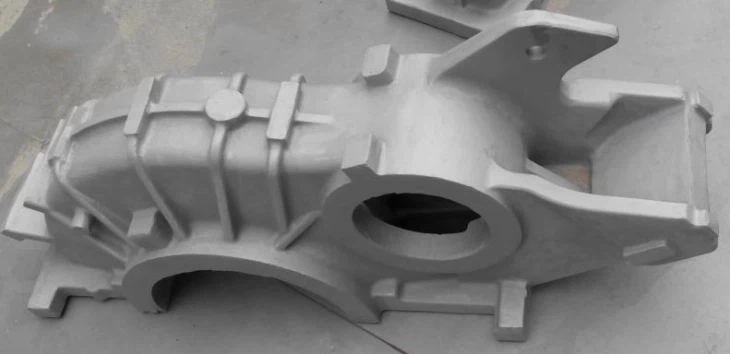
Most modern airplanes use high - quality materials for their doors. For instance, High Strength Al Alloy Casting is a popular choice. This alloy offers excellent strength - to - weight ratio, which is crucial for an aircraft. It can handle the stresses of flight and is also relatively lightweight, helping to keep the plane's overall weight down and improve fuel efficiency.
Another important component is the Upper Casing Aluminum Alloy Casting. This part plays a key role in protecting the door's internal mechanisms and ensuring its structural integrity. And then there's the Al Alloy Upper Casing, which provides additional support and protection.

But back to the main question: Can you open an airplane door during or after a bird strike? Well, it's not that simple. During flight, the pressure difference between the inside and outside of the plane makes it almost impossible to open the door. The air pressure inside the cabin is higher than the outside, especially at cruising altitudes. This pressure difference creates a huge force that holds the door tightly shut. Even if there's a bird strike, this pressure - related issue remains.
Let's break down the pressure situation a bit more. At cruising altitudes, say around 30,000 - 40,000 feet, the outside air pressure is extremely low. Meanwhile, the cabin is pressurized to a level similar to that of a much lower altitude, like 6,000 - 8,000 feet. This difference in pressure means that for a typical commercial airliner door, there could be thousands of pounds of force pushing against it from the inside. So, even if you wanted to open the door, you just couldn't.
What about after a bird strike when the plane has landed? In most cases, the doors are still not going to be opened right away. First, the flight crew needs to assess the situation. They'll check for any damage to the plane, including the doors. A bird strike could potentially cause hidden damage to the door's locking mechanisms or its structural components. If the door has been compromised, opening it could be dangerous.
The flight crew will follow strict safety protocols. They'll communicate with ground control and maintenance teams. Maintenance experts will come in and conduct a thorough inspection. They'll use specialized tools and techniques to check for any signs of damage, such as cracks or misalignments. Only after they're sure that it's safe to open the door will they give the green light.
There are also other factors to consider. For example, if the bird strike has caused damage to the plane's electrical or hydraulic systems, these could affect the door's operation. The doors on modern airplanes are often controlled by complex systems that rely on electricity and hydraulics. If these systems are malfunctioning, opening the door could be unpredictable.
Let's look at some real - life examples. There have been cases where planes have had bird strikes and the doors remained firmly shut throughout the flight and during the initial post - landing checks. In one incident, a regional airliner hit a large bird during take - off. The impact was significant enough to cause some visible damage to the nose of the plane. But the doors stayed closed as the plane continued its flight to the destination. Once on the ground, maintenance crews inspected the plane and found that while the bird strike had caused some cosmetic damage, the doors were still in good working order.
In another case, a commercial jetliner had a bird strike near the wing area. Although the doors were not directly affected by the strike, the flight crew still followed the safety procedures. They waited for the maintenance team to arrive and conduct a full inspection. This inspection revealed that there was some minor damage to the plane's hydraulic system, which could potentially have affected the door's operation. So, extra precautions were taken before the doors were finally opened.
As an airplane door supplier, we understand the importance of safety and reliability. That's why we use the highest - quality materials and the latest manufacturing techniques. We work closely with aircraft manufacturers to ensure that our doors meet all the strict safety standards.
Our doors are rigorously tested. They go through pressure tests, impact tests, and endurance tests. We simulate all kinds of real - world scenarios, including bird strikes, to make sure that our doors can handle whatever comes their way. We also keep up with the latest research and development in the aviation industry to continuously improve our products.
If you're in the aviation industry and are looking for high - quality airplane doors, we'd love to talk to you. Whether you're an aircraft manufacturer, an airline, or a maintenance provider, we can offer you the best solutions. We have a wide range of door models to suit different types of aircraft, from small regional planes to large commercial airliners.
Contact us to start a conversation about your specific needs. We're here to provide you with top - notch products and excellent customer service. Let's work together to ensure the safety and reliability of your aircraft.
References
- Aviation Safety Network: A database of aviation incidents, including those related to bird strikes.
- Aircraft Maintenance Manuals: Provide detailed information on aircraft systems, including door operation and safety procedures.
- Aerospace Engineering Journals: Contain research on materials used in aircraft construction, such as aluminum alloys for airplane doors.


