

Why can't you open an airplane door in the air? Well, let me break it down for you. I'm in the business of supplying airplane doors, so I've got a pretty good understanding of how all this works.
First off, the pressure difference between the inside and outside of an airplane at cruising altitude is massive. Planes usually fly at around 30,000 to 40,000 feet. At these heights, the air outside is extremely thin and at a much lower pressure compared to the pressurized cabin inside. The cabin is pressurized to keep the air inside at a level that's breathable and comfortable for passengers and crew.
Think of it like this. When you're on the ground, the air pressure outside and inside your body is balanced. But when you're up in the air in an airplane, the cabin pressure is maintained at a level similar to what you'd experience at a much lower altitude, say around 6,000 to 8,000 feet. The outside air pressure at cruising altitude can be as low as a fraction of what it is at sea - level.
This pressure difference creates an enormous force pushing against the airplane door. It's like trying to open a door when a ton of weight is pressing against it from the other side. In fact, the force can be so great that it's physically impossible for a human to overcome it. Even if you had super - strength, you'd still be fighting against this huge pressure differential.
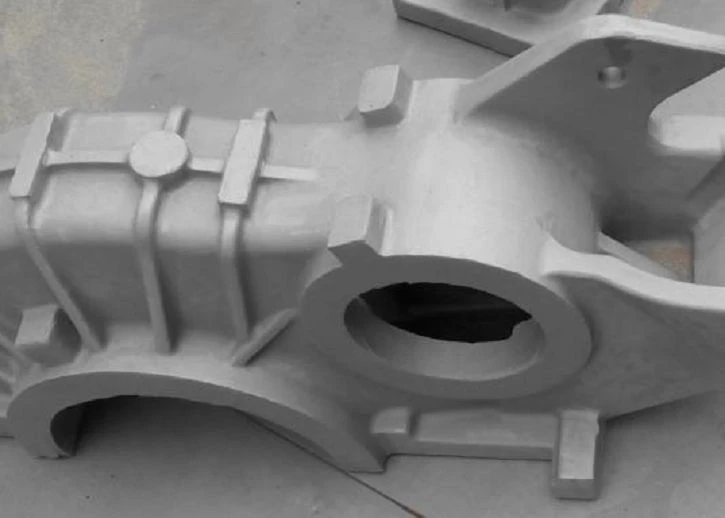
Let's talk about the design of airplane doors. They're built to be incredibly strong and secure. At our company, we use high - quality materials like Al Alloy Upper Casing. Aluminum alloy is a great choice because it's lightweight yet strong. It can withstand the stresses and forces that an airplane door is subjected to during flight.
The High Strength Al Alloy Casting we use in our doors is specifically engineered to handle the pressure changes and mechanical loads. These castings are designed to be durable and reliable, ensuring that the door remains firmly in place throughout the flight.
Another important aspect is the locking mechanism. Airplane doors have multiple locks and safety features. These locks are designed to engage automatically when the door is closed and pressurization begins. They're built to withstand high - pressure forces and prevent the door from accidentally opening. Even if there were a malfunction in one lock, the others would still hold the door shut.
The Large Al Alloy Casting used in the overall structure of the door provides additional stability. It helps distribute the forces evenly across the door, reducing the risk of any weak points.
Now, let's consider the consequences if someone were somehow able to open an airplane door in the air. The sudden depressurization would be catastrophic. The rapid loss of cabin pressure would cause a violent rush of air out of the plane. This could suck out loose objects, including passengers and crew who aren't properly secured.
The change in pressure would also cause a drop in oxygen levels. At high altitudes, the air is too thin to support normal breathing. Without a proper supply of oxygen, people would quickly lose consciousness and could suffer from hypoxia, which can lead to permanent brain damage or even death.

The sudden change in air pressure could also damage the airplane's structure. The aircraft is designed to operate under specific pressure conditions, and a rapid depressurization could cause structural failures in areas like the fuselage or wings. This could lead to a loss of control of the plane and a potentially fatal crash.
In addition to the physical reasons, there are also strict safety regulations in place. Airlines and aviation authorities have strict procedures and training for crew members to ensure the safety of everyone on board. Opening an airplane door in flight is considered a serious safety violation, and there are legal consequences for anyone who attempts it.
We take safety very seriously in the airplane door supply business. Our products are rigorously tested to meet all the safety standards set by international aviation authorities. We work closely with airlines and aircraft manufacturers to ensure that our doors are not only strong and reliable but also easy to operate and maintain.
If you're in the aviation industry and are looking for high - quality airplane doors, we'd love to talk to you. Our team of experts can provide you with detailed information about our products and how they can meet your specific needs. Whether you're building a new aircraft or need to replace existing doors, we've got the solutions you're looking for.
Contact us to start a conversation about your airplane door requirements. We're here to help you ensure the safety and reliability of your aircraft.
References
- Aviation Safety Regulations Handbook
- Aircraft Design and Engineering Manual
- Studies on High - Altitude Pressure Effects on Aircraft Structures


